
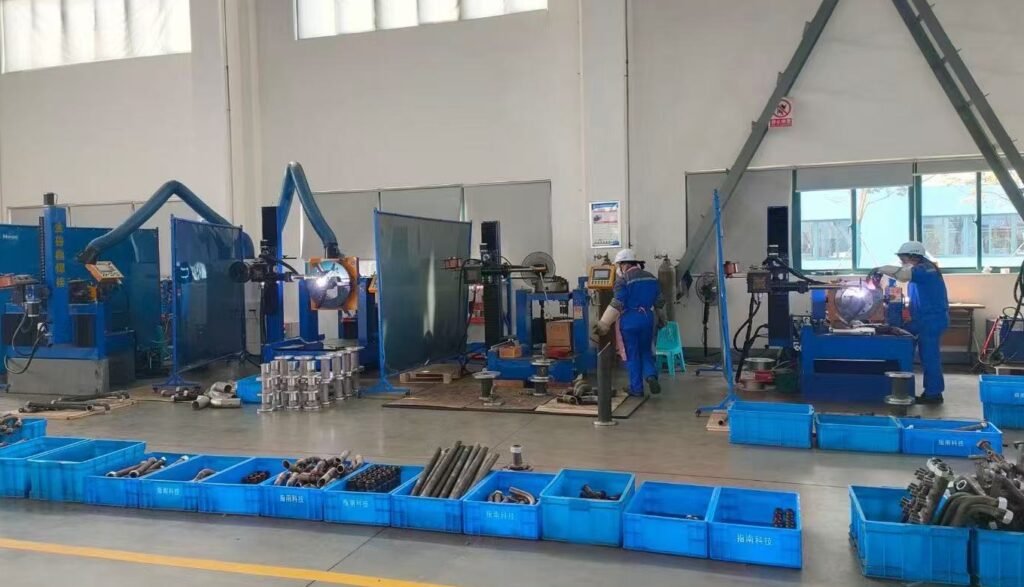
As manufacturing continues to move toward automation, automated welding is no longer limited to a small number of large factories. It is increasingly becoming part of everyday production in pipe fabrication, pressure vessel manufacturing, heat exchangers, industrial piping, metal hose production and other pressure-retaining components.
In particular, repetitive welds with relatively predictable joint geometries are gradually shifting from manual welding to welding automation.
For manufacturers, the motivation is clear.
Automated welding can help increase production efficiency, reduce labor dependency, improve consistency, make production capacity easier to predict, and reduce excessive reliance on a small number of highly skilled welders.
However, many companies discover an unexpected problem after purchasing an automatic welding machine:
The equipment has arrived, but automation has not truly been implemented.
Operators may report that the machine is difficult to use.
Welding results may initially appear less stable than manual welding.
Production staff may be reluctant to spend time learning the equipment.
Supervisors may not fully understand how the welding system works.
Eventually, the new automated welding system may be pushed aside, while the factory returns to manual welding.
The company has purchased automation equipment, but it has not actually developed automation capability.
So what went wrong?
In many cases, the problem is not simply the welding machine.
It is the failure to establish a new balance between management, employee incentives, welding knowledge transfer and production organization.
1. Why Can Automated Welding Create Conflict with Skilled Welders?
Automation changes the division of labor between people and machines.
Traditionally, many welding operations depend heavily on the individual experience of skilled welders.
Torch angle, arc length, weaving technique, wire feeding, travel speed, welding current, molten pool behavior and positional adjustments are often controlled directly by the welder.
Much of this knowledge exists in the welder’s experience rather than in a formal production system.
Therefore, when a company employs an experienced welder, it is not simply purchasing eight hours of labor.
It is also purchasing years of accumulated welding knowledge and judgment.
With automated TIG welding, orbital welding and other welding automation technologies, however, part of this experience begins to become digital.
Parameters that were traditionally controlled by the welder can now be entered into a machine, including:
- welding current and pulse parameters;
- travel speed;
- wire feeding speed;
- oscillation width;
- left and right dwell time;
- arc length or AVC settings;
- layer and pass position;
- preheating and downslope parameters;
- crater filling and arc termination settings.
Once these parameters have been properly developed and validated, the same welding procedure can be repeated again and again.
This repeatability is one of the biggest advantages of welding process automation.
But it can also create a genuine concern for experienced welders.
If a machine can repeatedly perform certain welds after the process has been developed, will the factory need fewer manual welders in the future?
And if an experienced welder transfers years of knowledge into an automated welding program that can later be operated by a less experienced operator, will the value of the original welder decrease?
From the worker’s perspective, these are reasonable questions.
This is why resistance sometimes appears during welding automation projects.
Problems with the machine may be emphasized.
Occasional defects from manual welding may be treated as normal, while a single defect from an automated welding machine may be interpreted as proof that the equipment is unreliable.
Operators may learn only the basic machine functions without developing a deeper understanding of parameter optimization.
And whenever a welding problem occurs, the immediate response may be to return to manual welding rather than investigate whether the real cause is related to parameters, joint preparation, fit-up or operation.
Eventually, a negative cycle develops:
Low machine utilization → insufficient operator experience → immature welding parameters → unstable results → even lower confidence in the equipment.
A welding automation project that could have become successful through continued optimization may therefore end with the equipment sitting unused.
2. Automation of Certain Welding Applications Is Almost Inevitable
One reality must be recognized:
As technology advances, automated welding will replace part of traditional manual welding work.
This is particularly likely for applications that have:
high production repetition, predictable weld paths, standardized products, relatively stable welding parameters, demanding quality requirements and high skilled-labor costs.
Examples include certain longitudinal seams, circumferential seams, flange welds, pipe-to-fitting joints and other pressure-retaining components found in pipe welding and pressure vessel manufacturing.
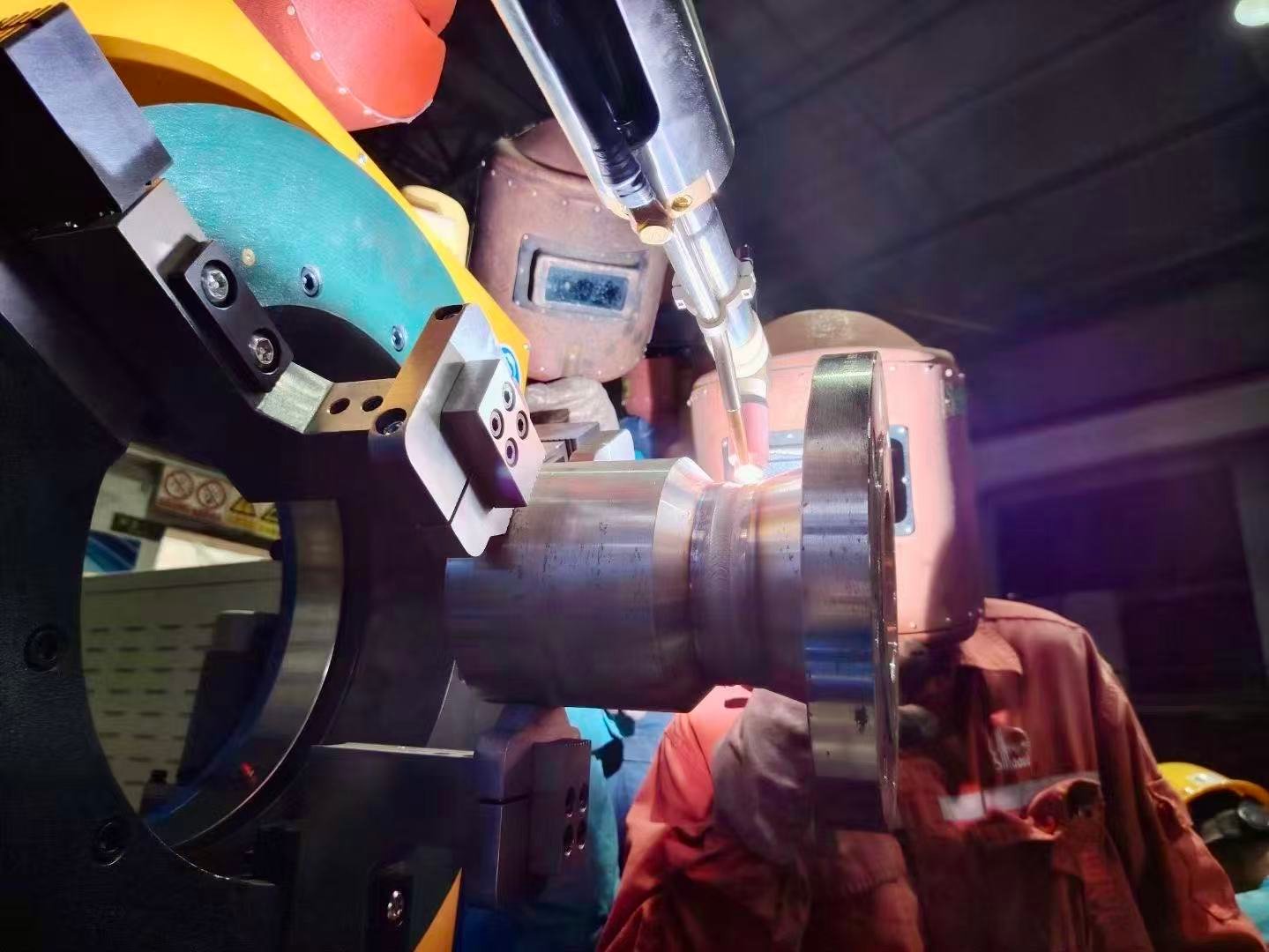
These welds often follow a relatively predictable geometry.
And machines are particularly good at one thing:
executing a validated process repeatedly, precisely and consistently.
This advantage becomes even more important when welding thick-wall pipes or high-pressure components.
A single joint may require:
root welding, multiple filling passes and a final cap pass.
With manual welding, manufacturers must consider not only the availability of qualified welders but also differences in operator skill, fatigue, shift changes, personnel turnover and consistency between different welders.
Once a mature automated pipe welding procedure has been established, many of these welding operations can be converted into repeatable programs.
The future manufacturing model is therefore not simply:
welder versus machine.
It is increasingly: skilled welder + proven welding procedure + automated welding system + standardized parameter database.
3. Management Often Determines Whether a Welding Automation Project Succeeds
When an automation project fails, one of the easiest conclusions is:
“The machine doesn’t work.”
But in reality, an automated welding project involves far more than equipment alone.
Management participation is often one of the most important factors.
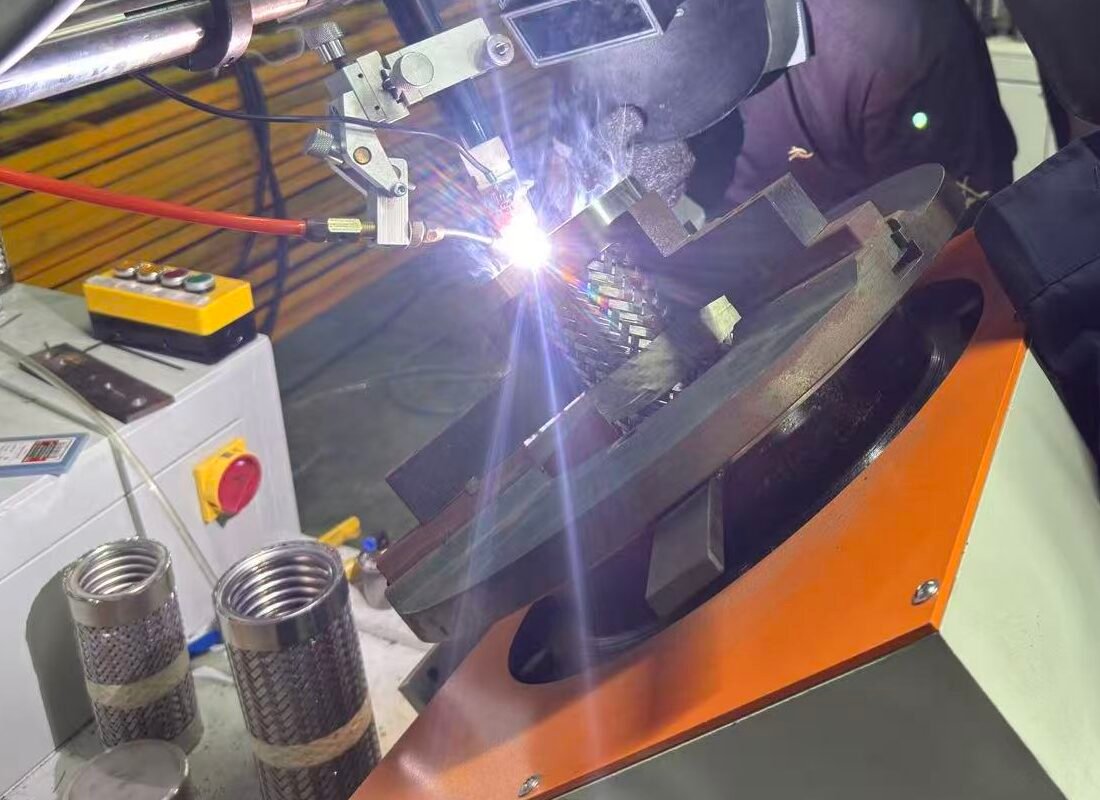
Before investing in pipe welding automation or a pressure vessel welding system, management should first answer a basic question:
Why are we automating this process?
Purchasing equipment simply because competitors are using automation or because automation looks advanced is not enough.
Management should first analyze the existing manual welding process quantitatively.
Measure the Existing Welding Process Before Automating It
For example:
- How much time is actually spent welding one joint?
- How much time is spent on preparation?
- How long does loading and positioning take?
- How much time is lost waiting for upstream processes?
- How much time is spent repairing defective welds?
- During an eight-hour shift, how much time is actually spent with the arc on?
- How much of a highly skilled welder’s time is being used for work that truly requires a highly skilled welder?
Without this data, it is difficult to determine where automation will actually create value.
In some factories, poor welding productivity is not primarily caused by the welding process itself.
The real bottleneck may be material handling, joint preparation, inconsistent bevel dimensions, poor fit-up, inadequate fixtures or production scheduling.
An automatic welding machine cannot solve every manufacturing problem.
Evaluate Automation Problems with Data, Not Opinions
But once the company clearly understands why it needs automation, management must actively support implementati
The decision on whether automation is useful cannot be based entirely on informal feedback from individual operators.on.
If someone says:
“This welding machine is difficult to use.”
Management should ask:
- Which function is difficult?
- Which product?
- Which weld joint?
- Under what conditions?
- Which welding parameter is causing the problem?
- What is the defect rate with manual welding?
- What is the defect rate with automated welding?
- What caused the repair?
- Was it a machine issue, a welding procedure issue, fit-up variation or an operating issue?
Only by breaking a problem down into measurable elements can the real cause be identified.
One of the biggest mistakes in welding automation management is:
listening only to conclusions without examining the process behind them.
4. Management Must Also Understand What Welders Are Concerned About
Automation cannot be implemented successfully through management pressure alone.
Managers must also understand employee incentives.
If the message from management is simply:
“We are buying machines so that we can reduce the number of welders,”
then resistance should not be surprising.
A more sustainable approach is to redesign the value of the welding role.
Experienced welders can gradually develop into:
- Welding process specialists
- Automated welding technicians
- Equipment commissioning specialists
- Welding parameter engineers
- Welding quality supervisors
- Complex-joint welders
- Automation team leaders
Compensation and career development should reflect this increase in responsibility.
A welder who can do more than simply produce a good manual weld — someone who can also operate equipment, observe the molten pool, diagnose welding defects, optimize parameters, develop welding programs and solve process problems — may actually become more valuable, not less.
This leads to an important principle for manufacturing management:
We employ people’s brains, not only their hands.
Machines are excellent at repetition.
People are excellent at judgment.
An automated welding system can repeat a validated movement thousands of times.
But it may not independently understand:
- Why is today’s joint preparation different from yesterday’s?
- Why did the molten pool suddenly change at one position?
- Why is the surface condition of this batch of material different?
- Why is the weld oxidizing even though the shielding gas flow appears normal?
- Why has joint fit-up suddenly become inconsistent?
These situations still require experience and human judgment.
The ideal relationship should therefore not be:
machine replaces worker.
It should be:
machine handles repetition; people handle judgment.
5. Skilled Welders Should Learn to Control Automation, Not Fight It
Welders also need to recognize that manufacturing automation is unlikely to reverse.
A similar transformation has already taken place in machining.
Many operations that were once performed entirely on conventional lathes and milling machines gradually moved toward CNC machining.
CNC did not eliminate the need for skilled manufacturing professionals.
Instead, the definition of skill changed.
The most valuable machinists increasingly became people who understood tooling, materials, programming, machining parameters and process development.
The welding industry is undergoing a similar transition.
The most valuable welding professionals of the future may not simply be the people with the steadiest hands.
They may be the people who understand both welding and automation:
welding processes, automated welding equipment, power source parameters, molten pool behavior, welding defects, program logic, tooling, fit-up and quality control.
These capabilities are much more difficult to replace.
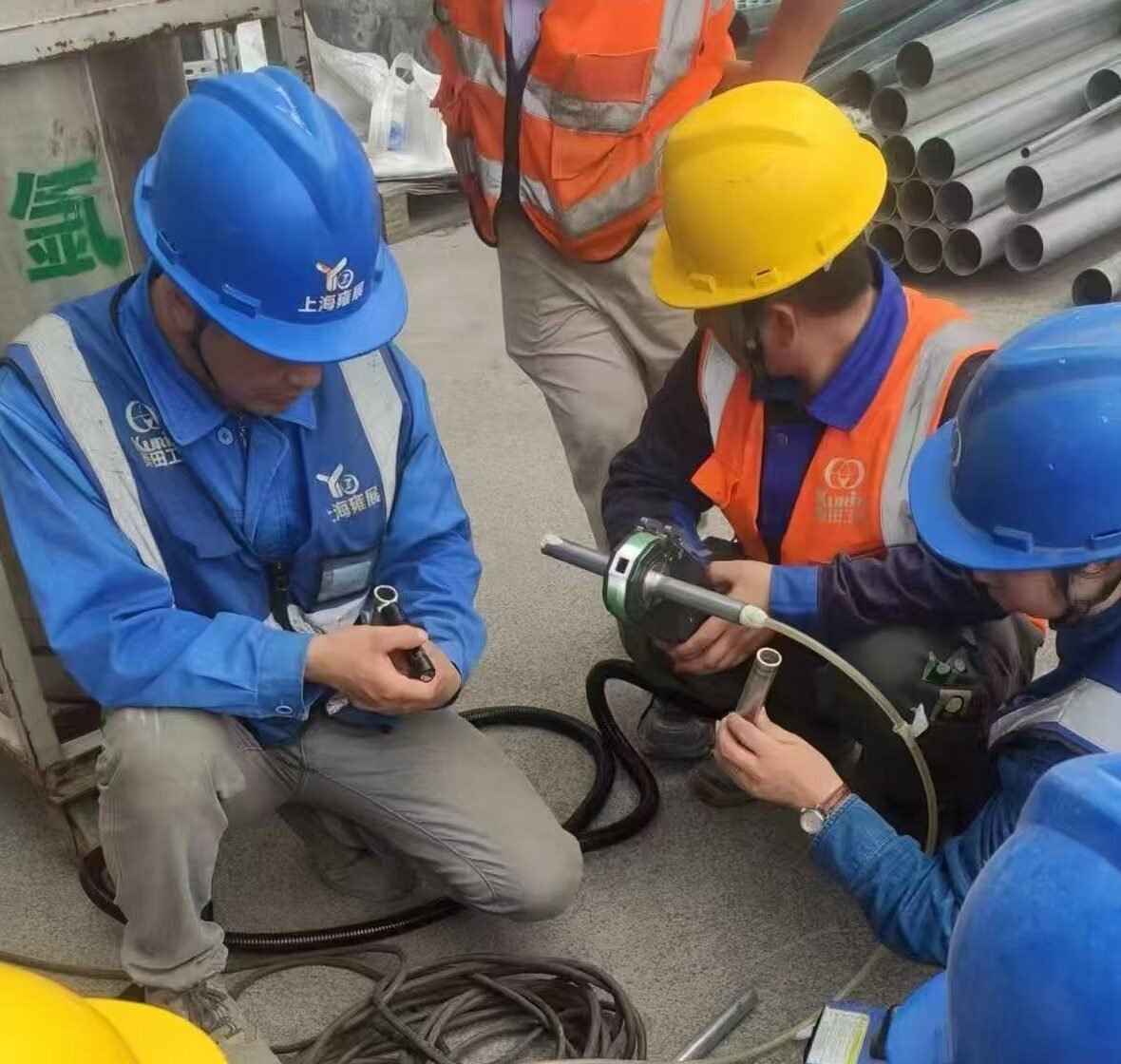
A basic operator may be able to press the Start button on an orbital welding system.
But when something goes wrong, the company still needs someone who can determine:
Why is the weld defective?
Should the current be changed or the travel speed adjusted?
Is the problem related to arc length or wire position?
Is the root cause the equipment, the welding parameters or inconsistent fit-up?
Is the process window too narrow?
That ability to diagnose and solve problems is where highly skilled welding professionals will continue to create value.
6. The Real Goal of Welding Automation Is to Turn Individual Experience into Company Knowledge
Traditional manufacturing has a common weakness:
Critical production knowledge is often concentrated in a small number of experienced workers.
When an experienced welder leaves the company, years of process knowledge can leave with that person.
One of the deeper advantages of welding automation is the ability to gradually convert individual experience into standardized company knowledge.
For example:
- What parameters should be used for a particular pipe diameter?
- What parameters work for a specific wall thickness?
- What welding current should be used for a specific joint?
- How much oscillation is required?
- When should wire feed speed increase?
- How should current be reduced at the end of the weld?
- What crater-filling parameters produce the most reliable result?
- What fit-up tolerance provides the widest process window?
Traditionally, many of these answers may exist only in the mind of an experienced welder.
In a more advanced manufacturing system, they should gradually become:
WPS + welding program + parameter database + operating standard.
Once this knowledge has been documented and validated, the company’s manufacturing capability becomes less dependent on any single person.
This is one of the most important long-term benefits of welding process automation.
Automation is not only about welding faster.
It is also about making manufacturing knowledge repeatable, transferable and scalable.
7. The Best Welding Automation Strategy Does Not Eliminate People — It Reallocates Their Value
The welding workshop of the future may operate very differently from the traditional workshop.
Standardized, repetitive welds can increasingly be performed by automated TIG welding systems, orbital welding machines and other automatic welding equipment.
Complex, non-standard joints with large fit-up variations may continue to require manual welding.
Experienced welders can focus on process development, machine setup, parameter optimization and abnormal-condition handling.
General operators can focus on loading, unloading, routine machine operation and standardized production.
Welding engineers can continuously convert the experience of skilled welders into validated welding programs.
Under this model, the same number of experienced welding professionals can support a much larger production capacity.
The manufacturer gains:
higher welding productivity, improved quality consistency, lower manufacturing costs, better production planning and stronger process management.
The welder gains an opportunity to move from purely manual skill toward a more technical and process-oriented role.
And the automated welding equipment finally becomes what it should always have been:
a tool that extends human capability rather than simply competing with human labor.
Conclusion: What Automation Really Replaces Is Inefficient Manufacturing
Automation does not necessarily eliminate a profession.
What it inevitably challenges is an inefficient production method that can no longer compete.
For manufacturers, purchasing an automated welding machine without changing management practices, job responsibilities, incentive systems and welding procedures may result in nothing more than an expensive piece of idle equipment.
For welders, viewing welding automation only as a competitor may also mean missing an important opportunity for professional development.
A successful transition requires a new relationship:
Management provides direction and establishes the right system.
Skilled welders contribute experience, judgment and welding knowledge.
Automated welding equipment provides repeatability, consistency and execution.
None of these three elements can fully replace the others.
The ultimate goal of welding automation is not simply to create an unmanned factory.
It is to allow machines to perform the work machines do best, while allowing people to focus on the work that requires human knowledge, judgment and problem-solving.
When welding experience can be converted into programs, when individual skills can be transformed into standardized manufacturing procedures, and when automated welding systems can repeatedly execute those standards, the manufacturer gains much more than an automatic welding machine.
It gains a repeatable, scalable and continuously improving manufacturing capability.