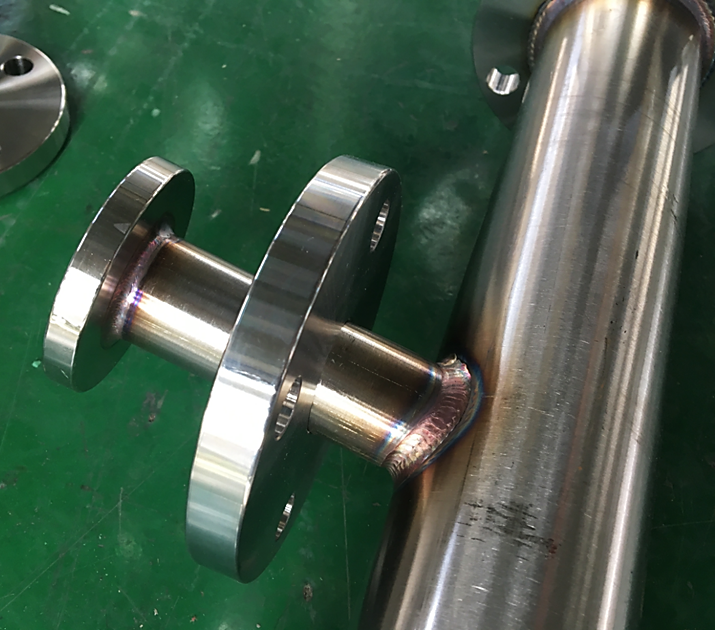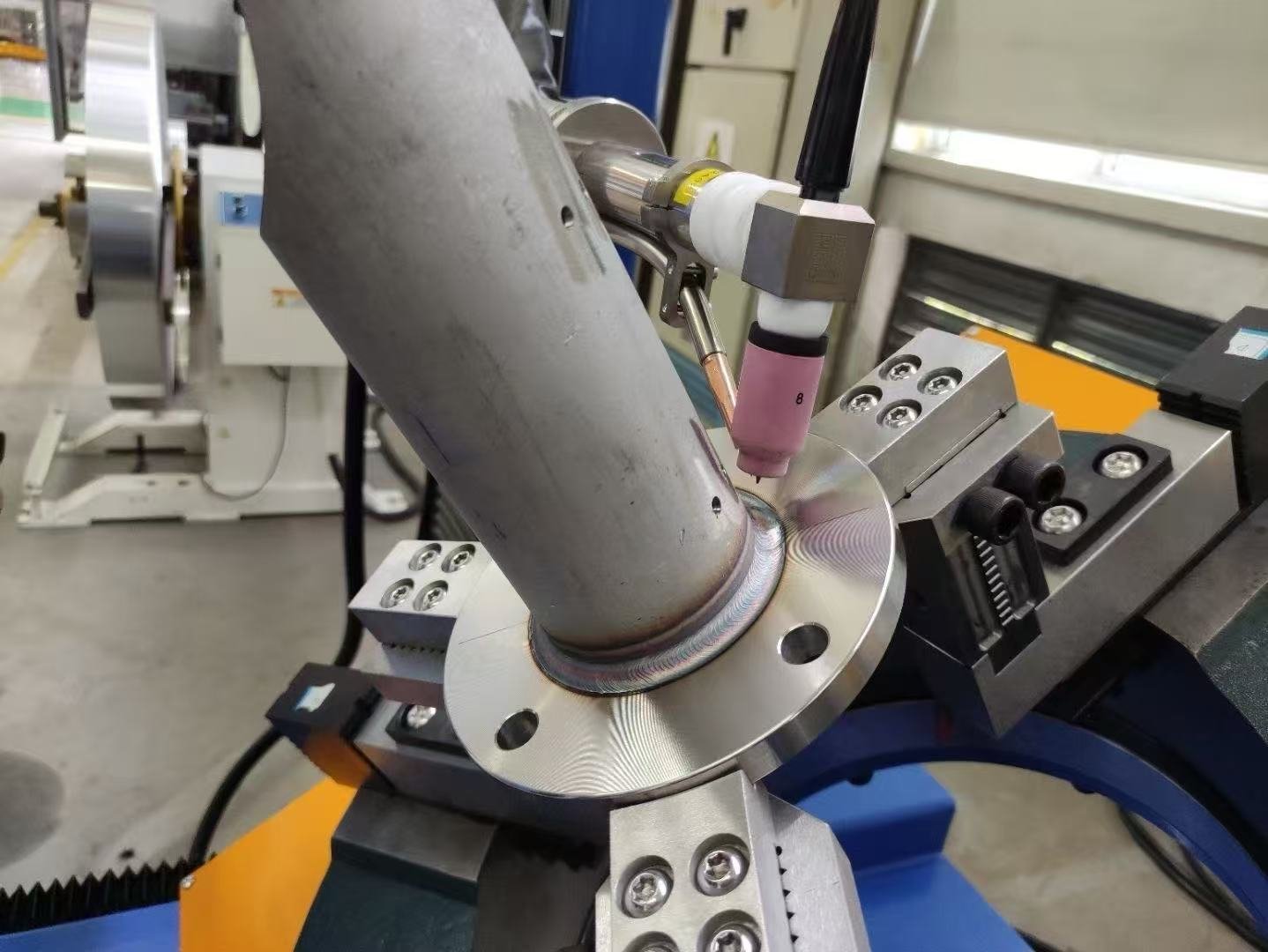

Level Gauge Welding Automation

Automatic Welding Solutions for Level Gauge Manufacturing

MecaNext provides automated TIG welding solutions for magnetic level gauges, bypass chambers and external displacer level gauges, helping manufacturers improve weld consistency, reduce rework and increase production efficiency.
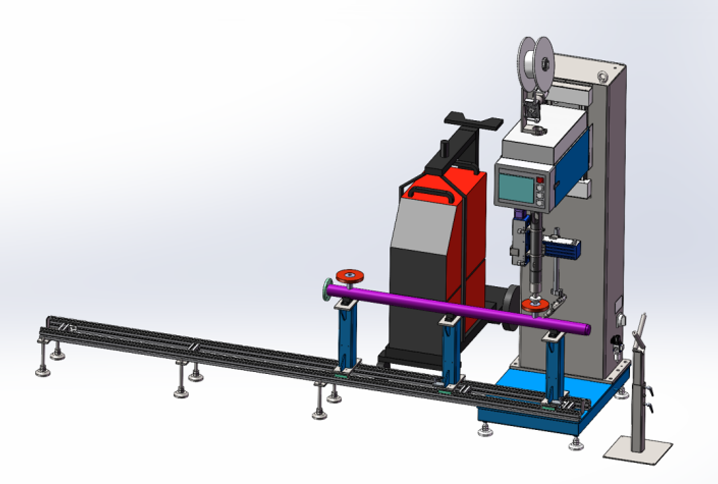
Stable TIG Welding Repeatable welding programs for consistent penetration and appearance.
Dedicated Fixtures Suitable for chambers, flanges, caps, nozzles and branch connections.
Process Reliability Built for leak-tight welding quality required by process industries.
Level gauge saddle welding machine
Circumferential Welding For chamber-to-flange, end cap and circular welds.
Saddle Welding For branch pipes, nozzles and process connections.
Manufacturing Challenges

Common Pain Points in Level Gauge Welding

Many level gauge manufacturers still rely on manual TIG welding for chamber assemblies, branch connections and process ports.

01 High Leakage Risk

Variable weld penetration, misalignment and sealing instability can lead to leakage risk and increased inspection and rework.

02 Low Production Efficiency

Repeated welding of chambers, flanges, caps and nozzles limits production capacity and causes delivery delays in batch manufacturing.

03 Appearance Variation

Visible weld seams on level gauge instruments require consistent bead shape and precise alignment, which is difficult to achieve manually.

04 Process Standardization

Different operators produce inconsistent results. Without stored welding parameters and controlled procedures, repeatability cannot be guaranteed.

Typical Applications

Welding Applications for Level Gauge Production

Dedicated automatic welding systems can be configured for different chamber structures, connection types and production requirements.
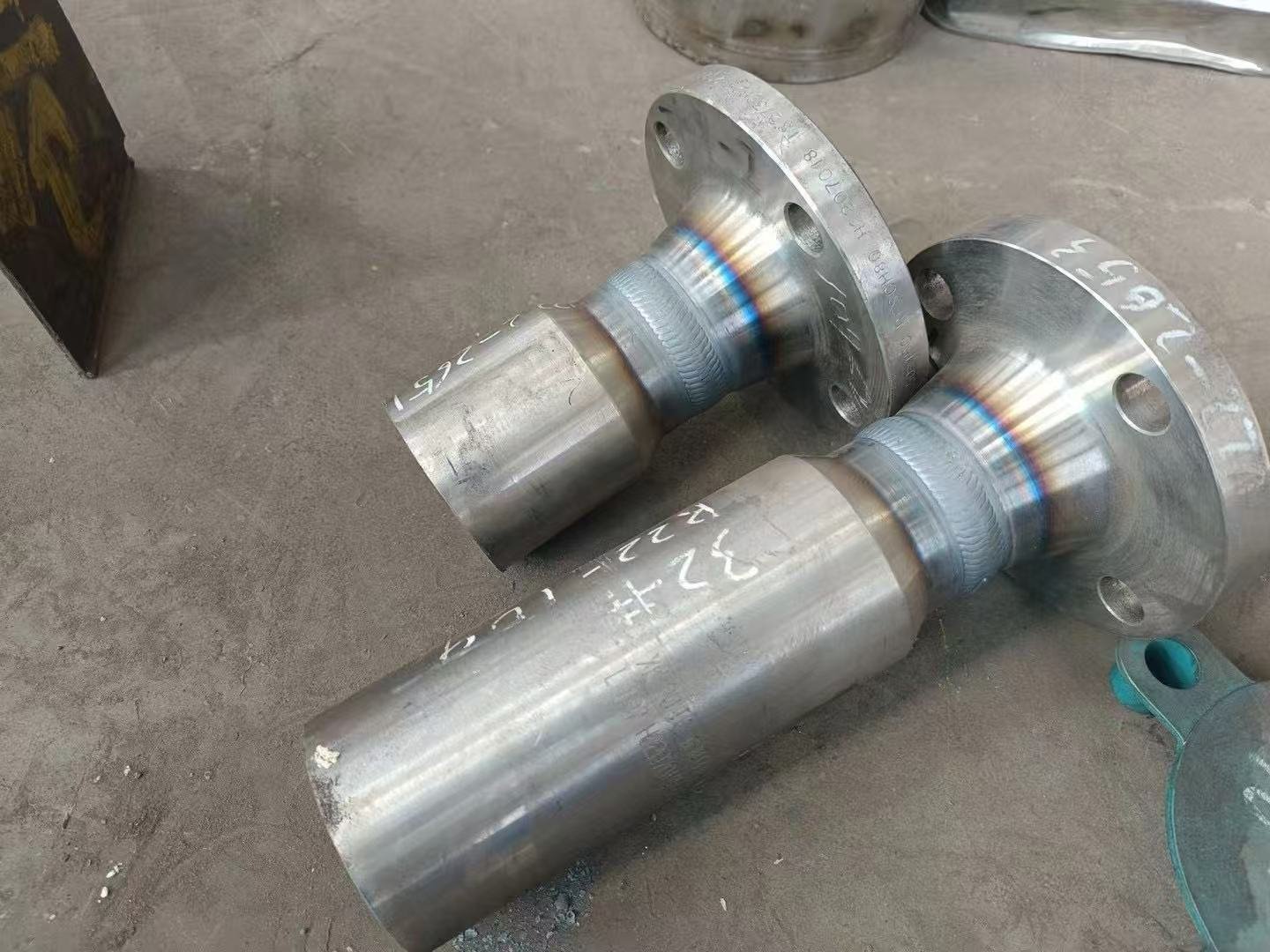
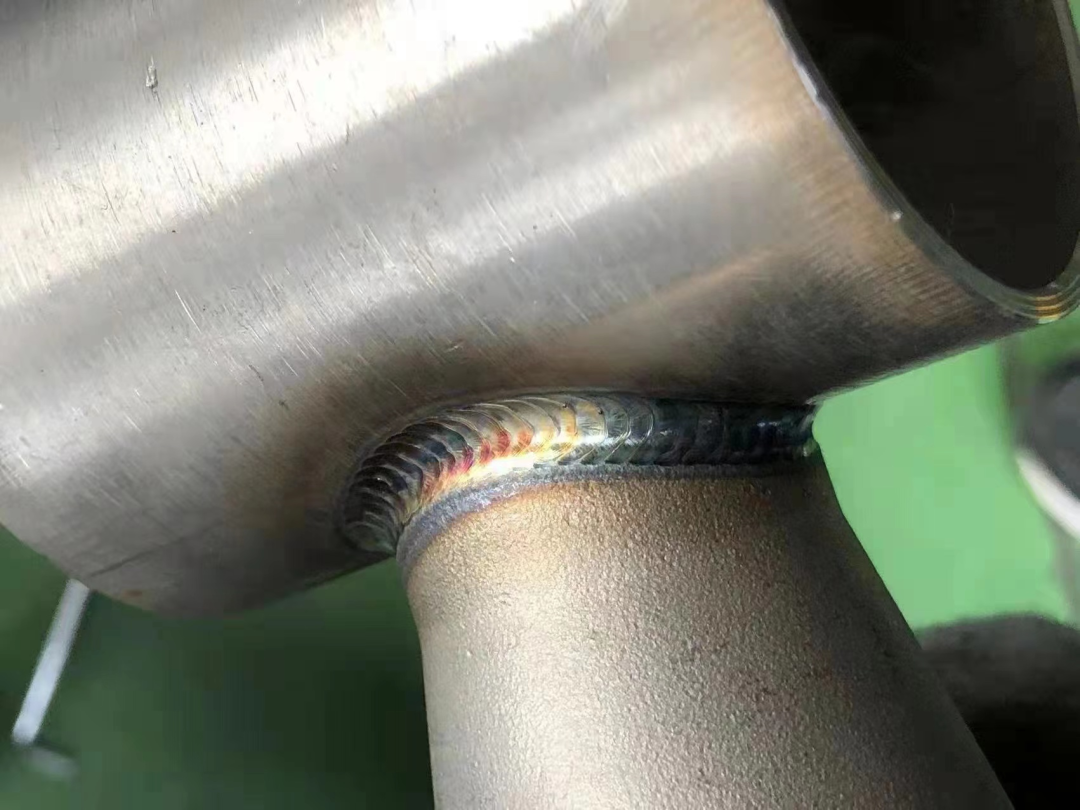
Automated pipe to flange welding for magnetic level gauges

Pipe to Flange

  • Chamber-to-flange welding
  • Chamber-to-cap welding
  • Drain nozzle welding
  • Vent nozzle welding
Level gauge saddle welding application

Bypass Chambers

  • Pipe-to-flange welding
  • Pipe-to-cap welding
  • Process connection welding
  • Instrument nozzle welding
Bypass chamber nozzle welding application

External Displacer Level Gauges

  • Chamber assembly welding
  • End connection welding
  • Nozzle welding
  • Process port welding
Product Categories

Two Automatic Welding Solutions for Different Weld Types

Different weld types require different welding motions. MecaNext provides dedicated systems instead of forcing all welds onto one general-purpose machine. We help manufacturers achieve stable and repeatable sealing welds for level gauge production.
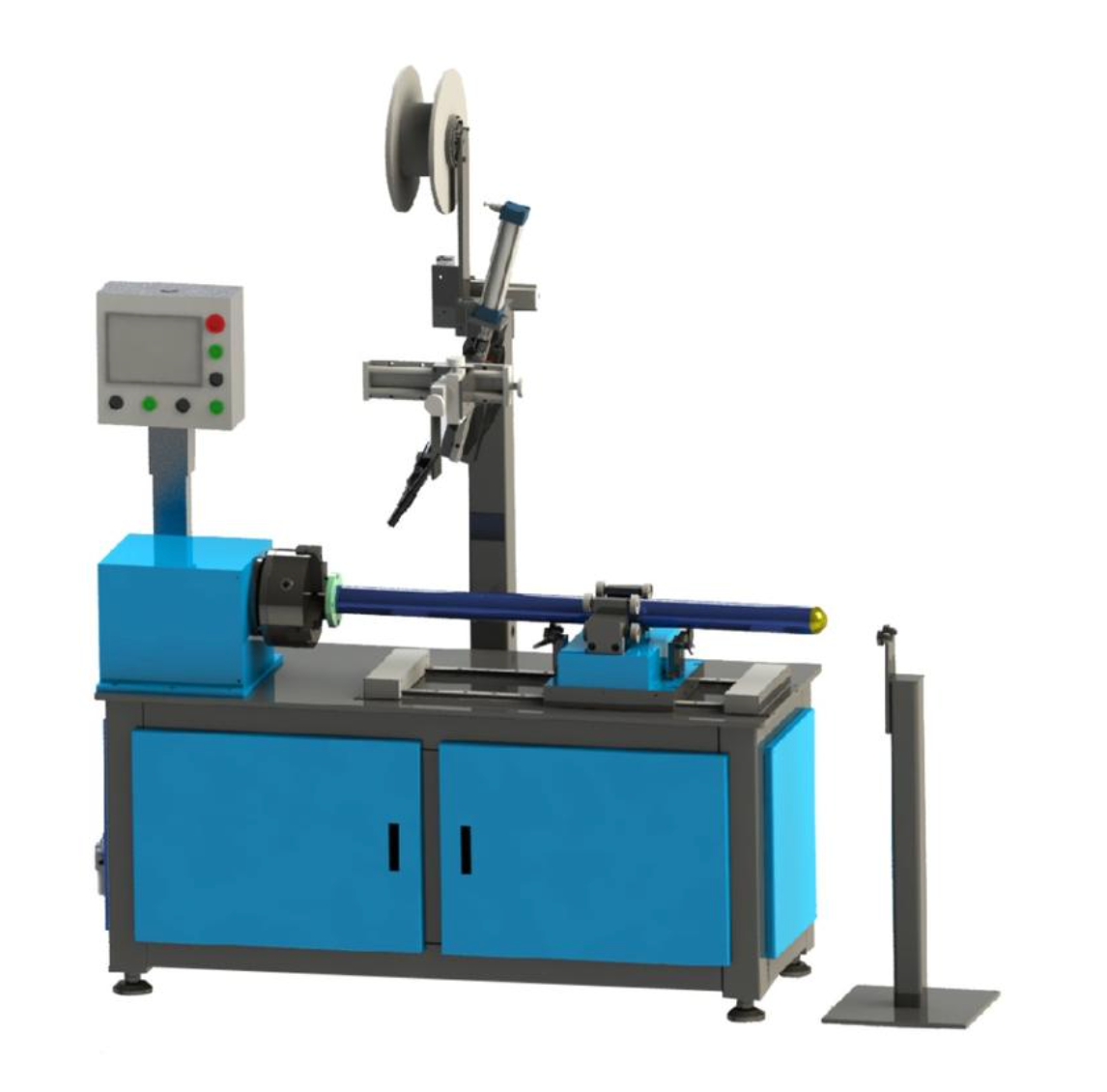
Automatic Circumferential Welding Machine
Solution 01

Automatic Circumferential Welding

Designed for rotational welds commonly found in level gauge production. During welding, the workpiece rotates while the welding torch remains stationary for stable weld conditions and excellent consistency.
Typical weld types
  • Chamber-to-flange
  • Chamber-to-cap
  • Pipe-to-pipe
  • Socket welds
  • Fillet welds
Customer benefits
  • Stable penetration
  • Consistent appearance
  • Reduced rework
  • Faster cycles
  • Easy changeover
Learn more about circumferential welding
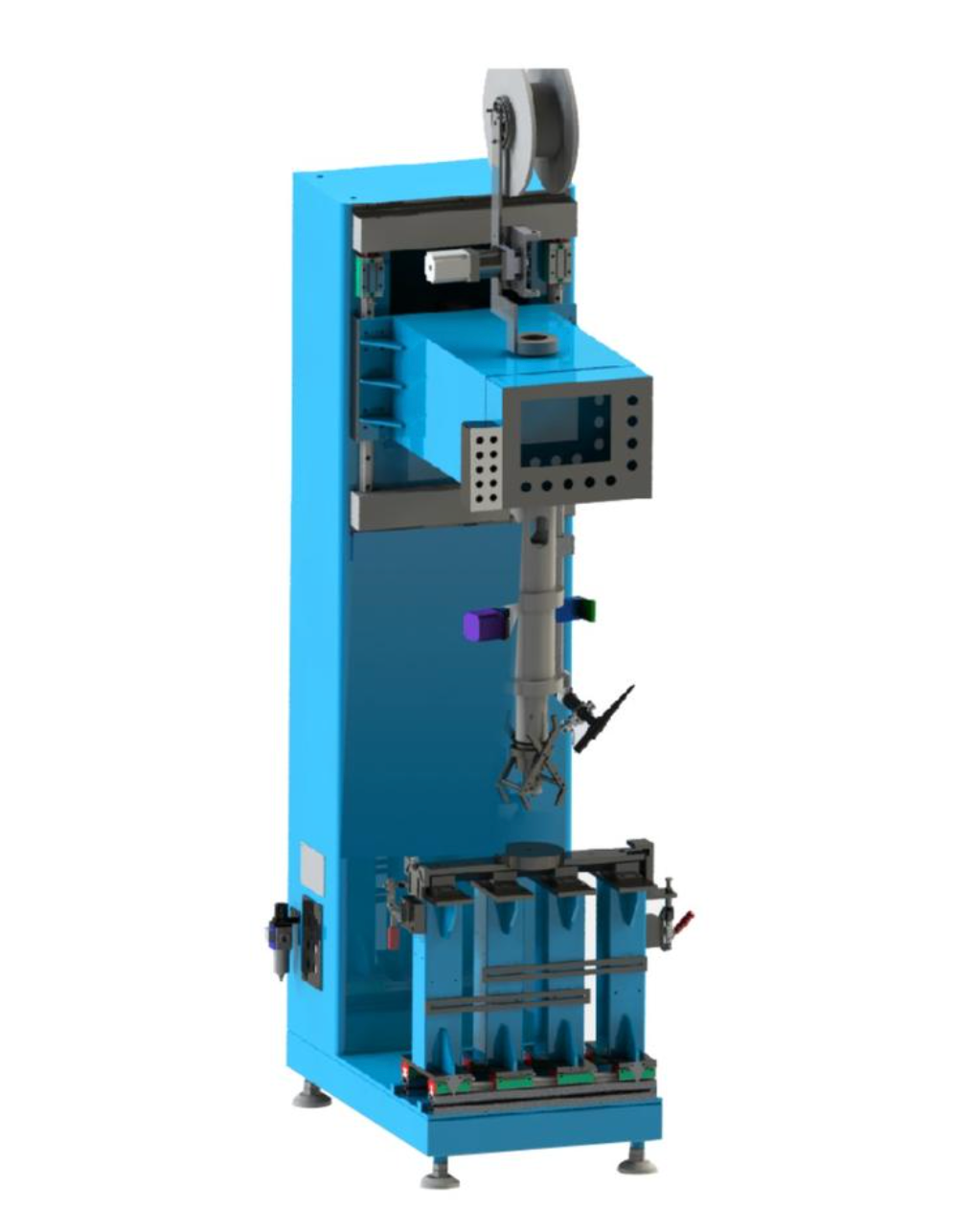
Automatic Saddle Welding System
Solution 02

Automatic Saddle Welding System

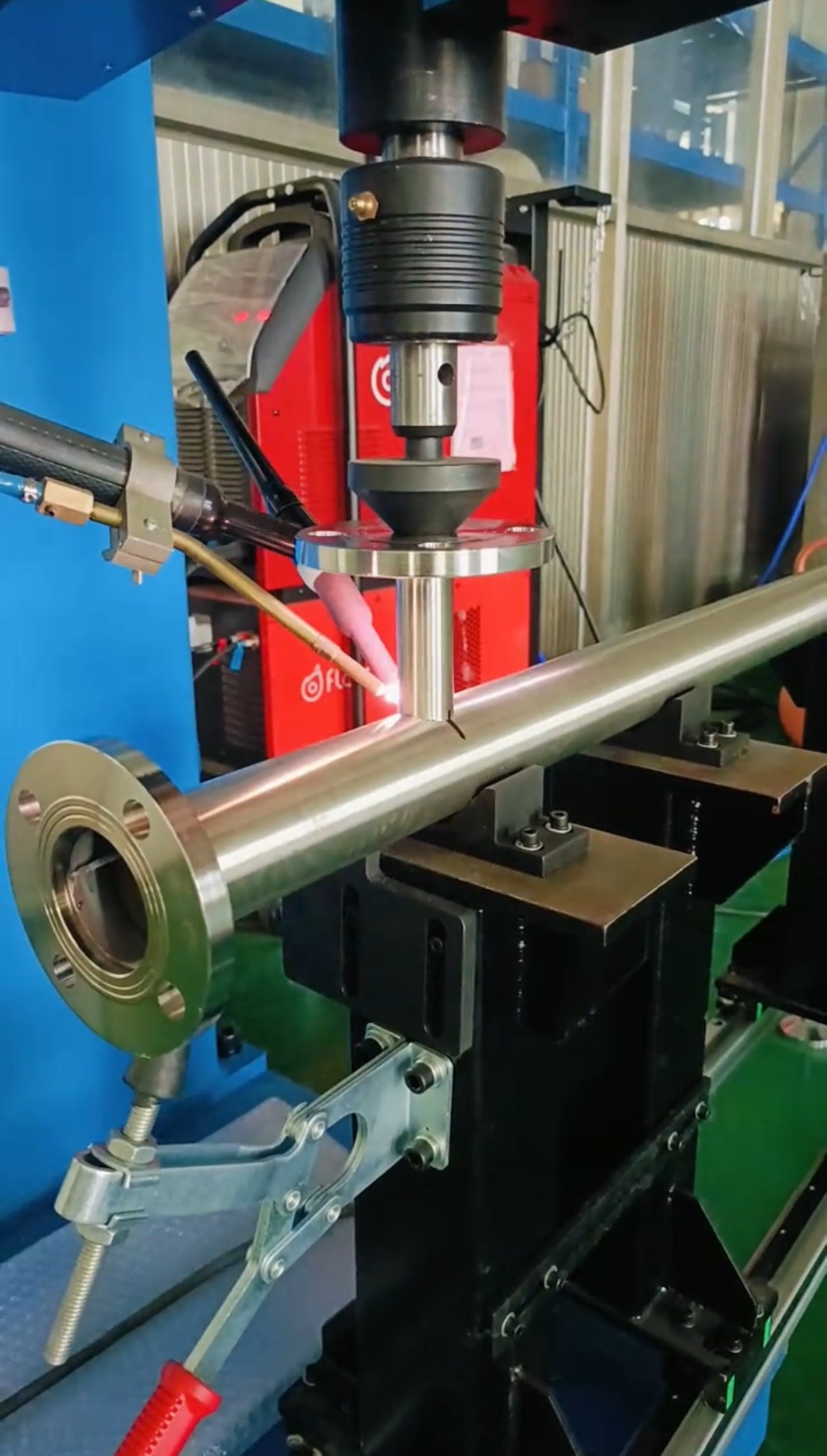
Built for branch pipe welding and saddle welds. The system automatically generates welding trajectories based on pipe diameters and intersection geometry while the torch follows the saddle-shaped weld path.
Typical applications
  • Process nozzles
  • Vent nozzles
  • Drain nozzles
  • Instrument connections
  • Branch pipe welding
Customer benefits
  • Consistent geometry
  • Reduced setup time
  • Faster changeover
  • Less programming
  • Repeatable quality
Learn more about saddle welding
Welding Process Videos

See How Automatic Welding Works for Level Gauge Production

Compared to manual welding, automated system ensures higher consistency, lower leakage risk, and improved production efficiency.

Circumferential Welding Process for Level Gauge

Saddle Weld Process for Level Gauge Branch Connection

Finished Welded Samples

See the Welding Results Before Machine Investment

Review finished weld samples from level gauge automation applications. These photos help you evaluate weld appearance, consistency and process feasibility before choosing an automated welding solution.

Automated pipe to flange welding sample
Level gauge welded assembly sample
Level gauge saddle weld sample
Bypass chamber nozzle welding process sample
Automatic thread fitting welding sample
Automatic nozzle welding sample
Why MecaNext

Dedicated Solutions for Different Weld Types

Circumferential welds are most efficiently handled by workpiece rotation, while saddle welds require torch manipulation and trajectory control. This dedicated approach helps manufacturers achieve better weld quality, higher productivity and easier operation.

01

Automatic Trajectory Generation

Standard branch pipe dimensions can generate welding paths automatically without complex programming.

02

Recipe Management

Welding parameters can be stored and recalled instantly for repeatable production.

03

Reduced Skilled Labor Dependence

Operators can quickly learn machine operation while maintaining consistent welding quality.

04

Designed for Instrument Manufacturers

Systems are developed for process instrumentation, bypass chambers and level gauge production.

Process Comparison

Manual Welding vs MecaNext Automation

A quick comparison for manufacturers evaluating whether automatic TIG welding can improve level gauge production.

Manufacturing Comparison

Manual / Automation
Weld Consistency Operator dependent Stable and repeatable
Productivity Medium High
Rework Rate Higher Lower
Training Time Months Days
Recipe Storage No Yes
Process Standardization Difficult Easy
Dependence on Skilled Welders High Low
Typical Materials

Suitable for Stainless Steel and Corrosion-Resistant Alloys

MecaNext systems are suitable for common level gauge manufacturing materials used in process industries.

Stainless Steel 304
Stainless Steel 304L
Stainless Steel 316
Stainless Steel 316L
Duplex Stainless Steel
Corrosion-Resistant Alloys
FAQ

Frequently Asked Questions

Common questions about automated TIG welding for magnetic level gauges and bypass chambers.

Why are circumferential welding and saddle welding performed on different machines?

They require different welding motions. Circumferential welds are suited to workpiece rotation, while saddle welds require torch path control.

Can the system weld long bypass chambers?

Yes. The saddle welding system keeps the workpiece stationary while the torch follows the weld path, making it suitable for long and complex assemblies.

Do operators need programming experience?

No. Standard branch pipe diameters can automatically generate welding trajectories, reducing setup complexity.

Can welding parameters be saved?

Yes. Welding recipes can be stored and recalled directly from the HMI for repeatable production.

What materials can be welded?

The systems are suitable for stainless steel and corrosion-resistant alloys commonly used in level gauge manufacturing.

Can we send samples for testing?

Yes. MecaNext can provide welding trials and process evaluation based on customer samples.

Looking for the RightAutomatic Welding Solutions for Level Gauge Manufacturing Solution?

Send us your hose drawings, fitting drawings, or production requirements. Our engineers can help recommend the suitable automatic welding solution according to your hose features.

*The above industry-matched process is for reference only. Final process should be confirmed by sample validation