
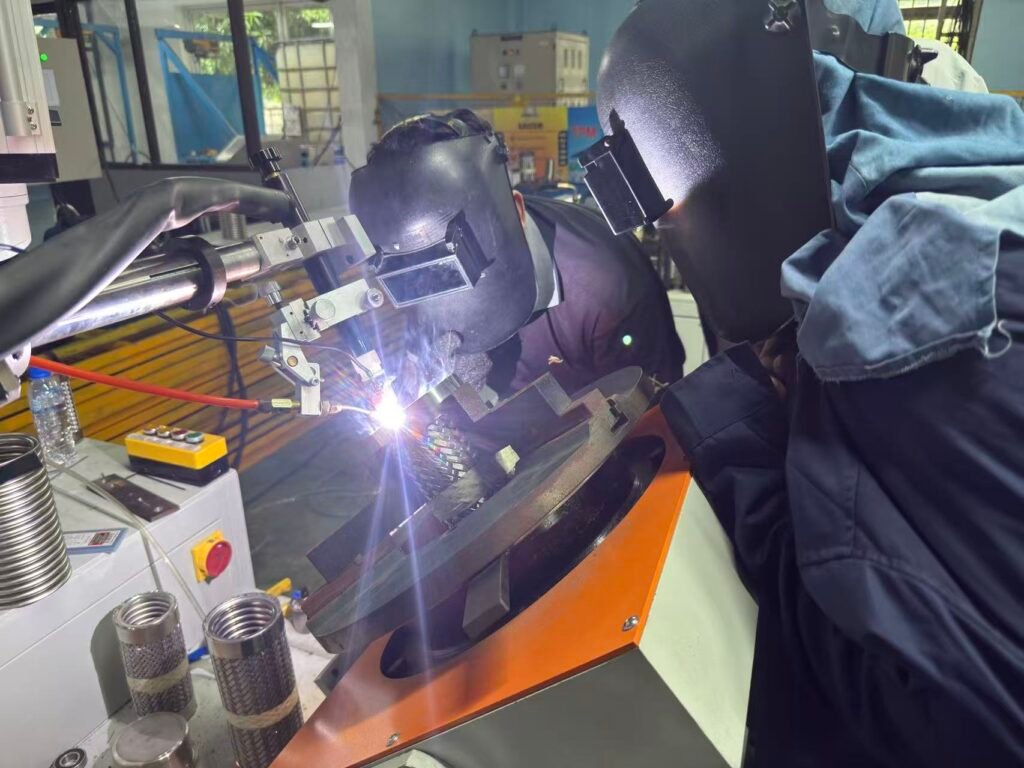
Liquid cooling corrugated hose is becoming a critical component in AI server cooling systems as the rapid growth of computing power places increasing demands on thermal management. Compared with traditional air cooling, liquid cooling provides higher heat dissipation efficiency for high-density AI data centers.
However, the reliability of a liquid cooling system depends heavily on the leak-tightness of its piping. Liquid cooling corrugated hose welding is particularly challenging because the ultra-thin-wall structure requires precise heat input and stable weld quality.
Therefore, leak-free, highly stable, and durable welding processes are essential for AI server liquid cooling systems.
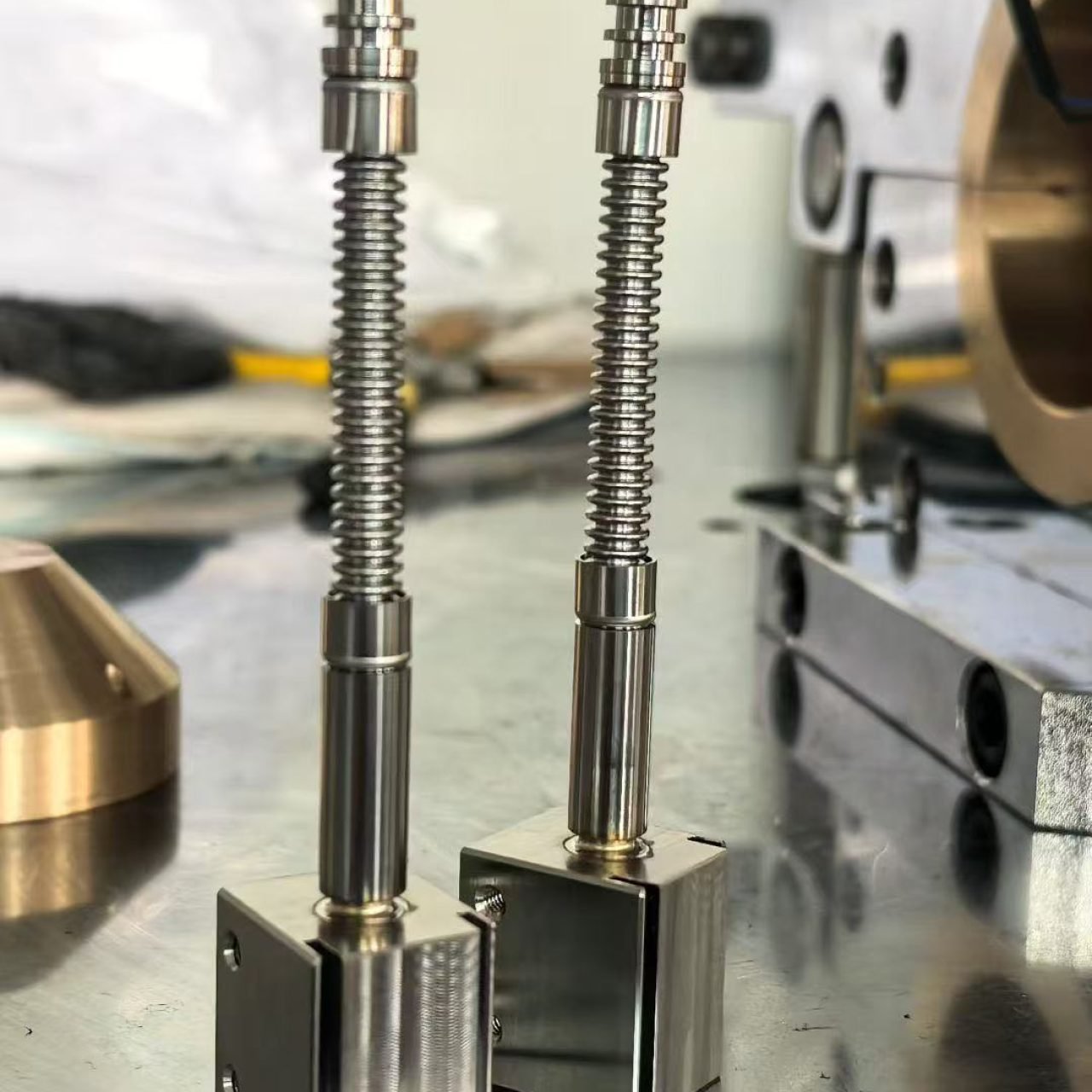
Traditional Manual Welding: Corrugated Hose Welding Challenges in AI Liquid Cooling Systems
Conventional manual TIG welding has several limitations when applied to liquid cooling corrugated hoses.
A relatively large heat-affected zone can cause deformation of thin-wall corrugated hoses and compromise sealing performance. Welding quality also depends heavily on operator skill and consistency. In addition, manual welding has relatively low production efficiency, making it difficult to meet growing demands for customized and high-volume production.
To address these challenges, MecaNext provides two precision welding solutions for liquid cooling component manufacturing: laser welding and automatic TIG welding.
Laser Welding: Ideal Process for Precision Production
Laser welding has become a preferred process for mass production of thin-wall corrugated stainless steel hoses due to its high energy density, small heat-affected zone, high welding precision, and minimal deformation.
Compared with conventional welding methods, laser welding enables precise control of welding output and penetration, producing smooth and consistent weld seams.
This helps ensure the leak-tightness of liquid cooling pipelines while minimizing thermal deformation of thin-wall components. High-quality weld joints can also better withstand long-term vibration and repeated thermal cycling.
Laser welding offers excellent process flexibility. It can be applied to liquid cooling components made from stainless steel, aluminum alloys, and other materials while accommodating different pipe diameters, wall thicknesses, and joint configurations.
These characteristics make laser welding particularly suitable for high-volume production of thin-wall liquid cooling components.
Automatic TIG Welding: A Key Solution for Liquid Cooling Corrugated Hoses
TIG welding, also known as Gas Tungsten Arc Welding (GTAW), can be combined with an automatic wire feeding system to perform circumferential and butt welding.
For liquid cooling corrugated hose production, MecaNext uses a two-stage welding process with two staggered weld seams.
First, the corrugated hose and metal fitting are autogenously welded using a low welding current to create a semi-finished hose assembly.
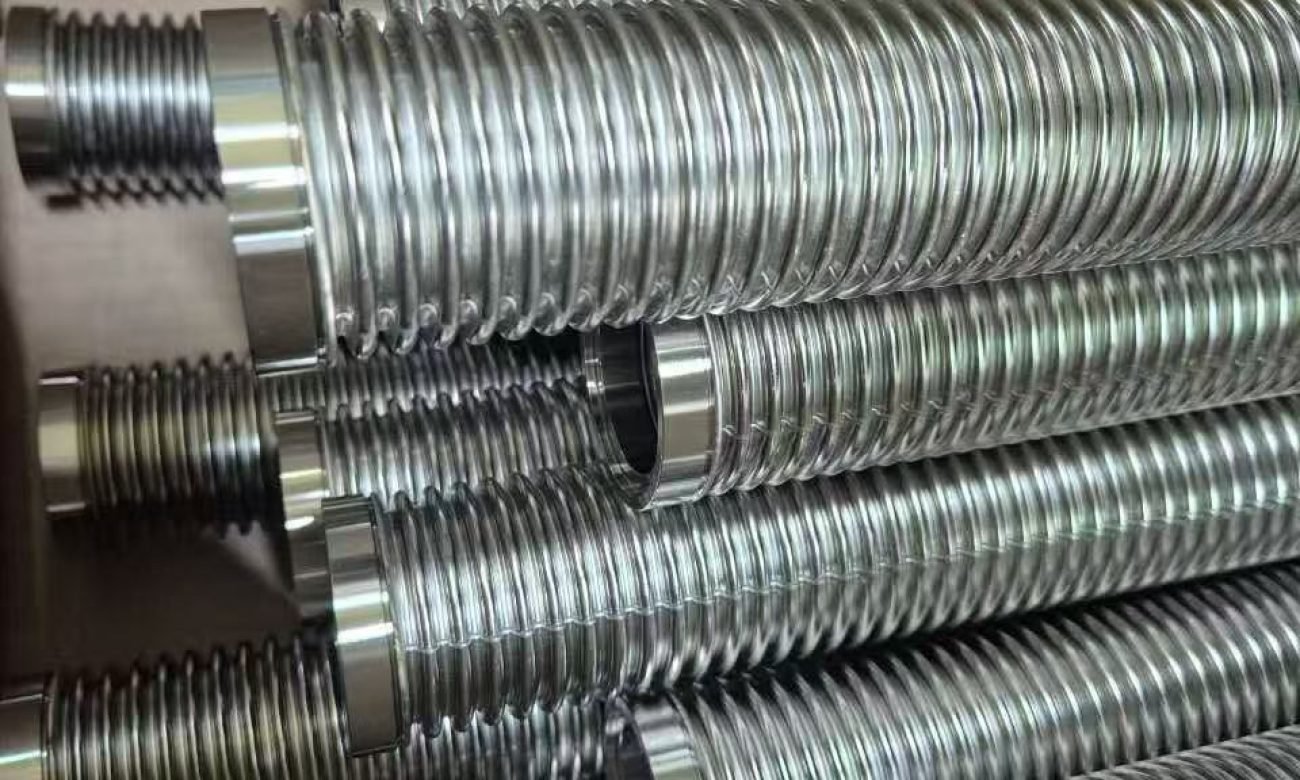
The outer wire braid and end compression ring are then assembled, followed by a second welding operation.
By positioning the two weld seams at different locations, the structure achieves greater reliability and durability.
Key Advantages of Automatic TIG Welding
Strong Weld Protection
Argon shielding protects the molten weld pool from atmospheric contamination, reducing oxidation and weld discoloration. This also helps prevent oxide particles from detaching and entering the liquid cooling circuit.
- Improved Durability
The staggered double-weld structure improves fatigue and vibration resistance. This makes the corrugated hose assembly better suited to liquid cooling applications involving pressurized coolant flow, vibration, and repeated heating and cooling cycles.
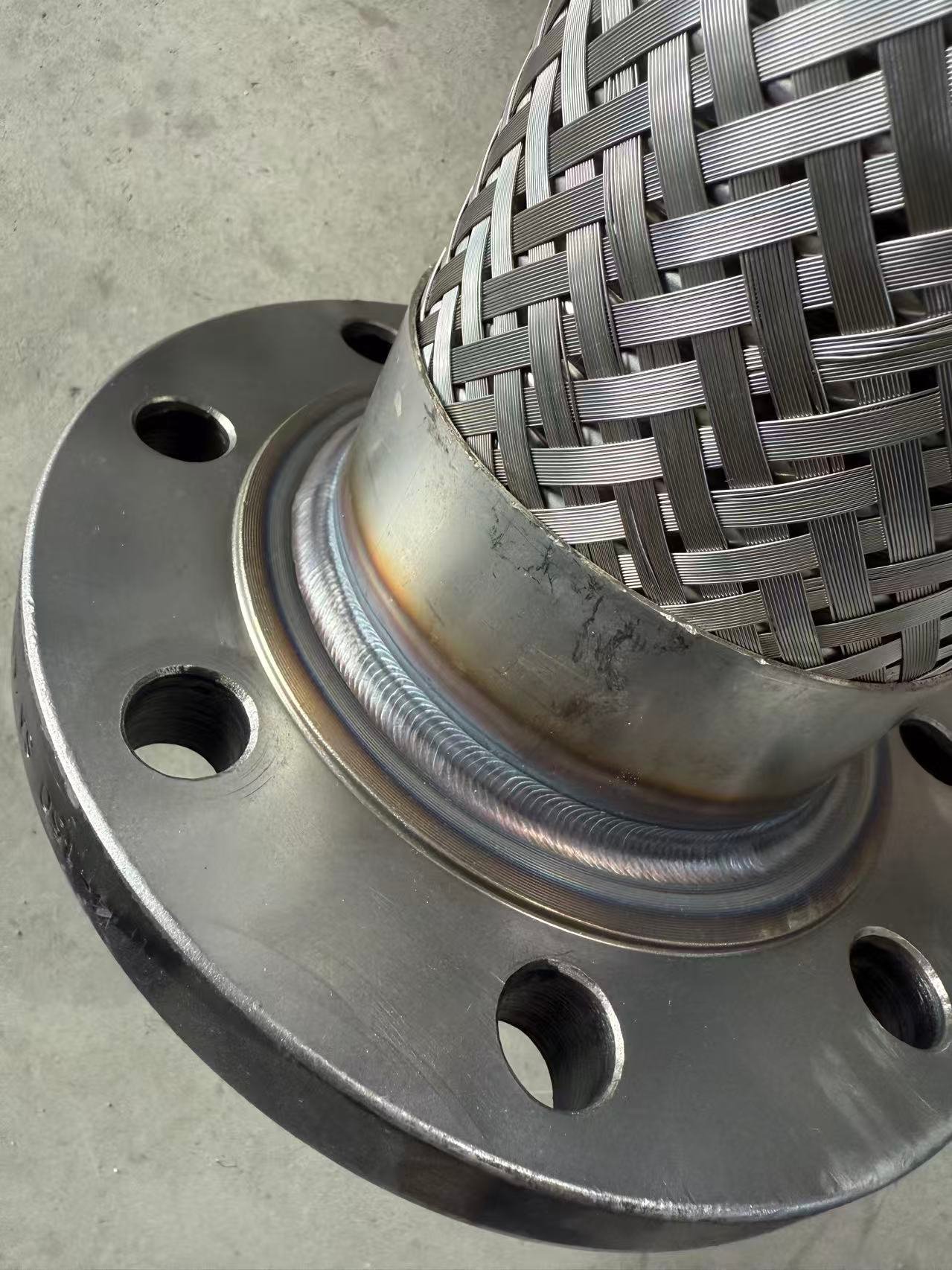
- High Adaptability
Component dimensions and product specifications can be customized according to different production requirements.
In addition to AI server liquid cooling systems, automatic TIG welding can also support precision welding applications in semiconductor equipment, vacuum equipment, and other industries requiring high-quality metal hose assemblies.
Suitable Applications
Automatic TIG welding can be applied to a variety of liquid cooling hose applications, including:
- Corrugated copper hose butt welding
- Dissimilar metal joint welding
- Medium- and large-diameter liquid cooling pipelines
- Low- to medium-volume production
- Multi-specification customized liquid cooling hose production
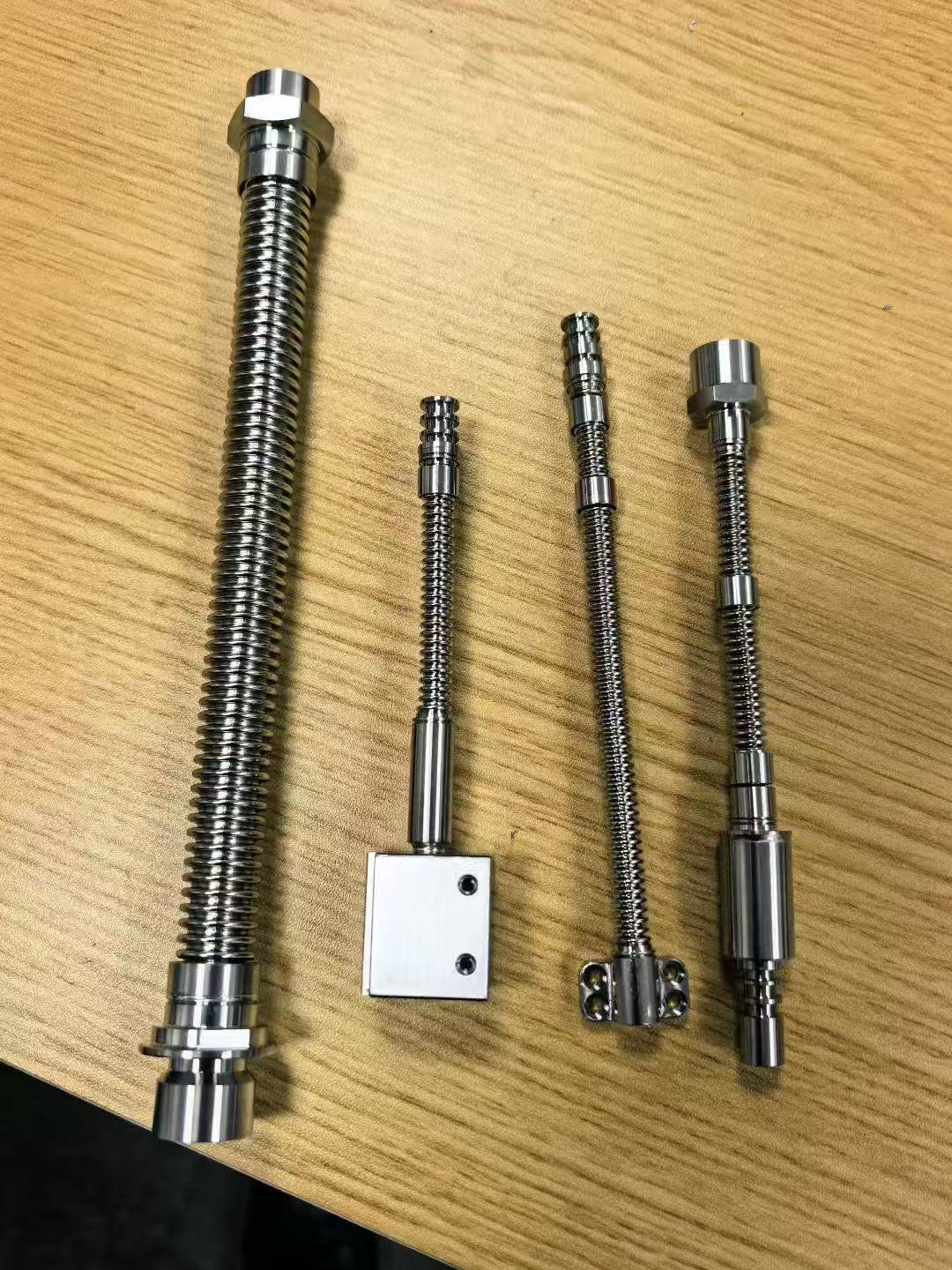
Comparison of Three Welding Processes
Item | Traditional Manual Welding | Laser Welding | Automatic TIG Welding |
Main Advantage | Low initial equipment investment | High production efficiency, low deformation, and low rework rate | Excellent shielding and high material adaptability |
Heat-Affected Zone | Large; thin-wall hoses are more susceptible to thermal deformation | Extremely small; deformation can be precisely controlled | Relatively small; deformation can be controlled under argon shielding |
Suitable AI Liquid Cooling Applications | Temporary repair and after-sales rework | Mass production of thin-wall corrugated stainless steel hoses and liquid cooling plates | Corrugated copper hoses, stainless steel hoses, dissimilar metal joints, and customized multi-specification production |
Liquid Cooling Corrugated Hose TIG Welding Process
1. Corrugated Hose End Flattening
The end of the corrugated hose is flattened to create a straight welding section.
This process helps eliminate assembly gaps and increases the effective wall thickness of the welding area, creating better conditions for subsequent welding.
2. Half-Wave Cutting — When Required
For workpieces where there is a significant diameter difference between the metal fitting and corrugated hose, part of the corrugation can be cut as required.
This helps improve joint preparation and reduce welding deformation.
3. Automatic Circumferential Welding
Two automatic welding modes can be selected according to the workpiece and production requirements.
Torch Rotation:
The welding torch rotates around a stationary workpiece, making this method suitable for heavy or complex components that are difficult to rotate.
Workpiece Rotation:
The workpiece rotates while the welding torch remains in position. This method provides high production efficiency and good welding consistency, making it suitable for mass production.
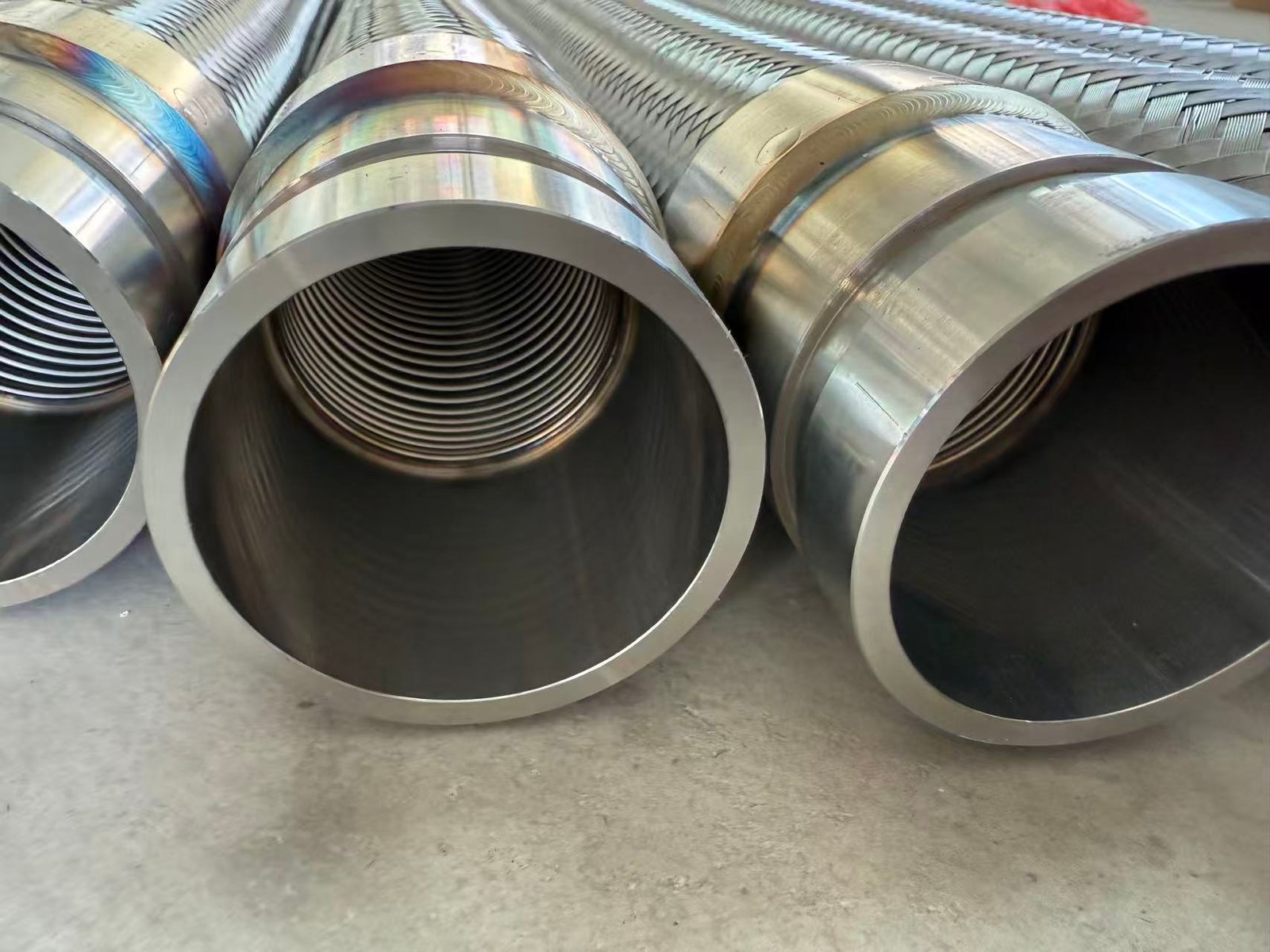
Orbital TIG welding and other automated welding processes can also be integrated according to application requirements, further reducing dependence on manual welding.
4. Secondary Welding of Wire Braid and Compression Ring
After the inner corrugated hose-to-fitting joint is completed, the outer wire braid and compression ring are assembled.
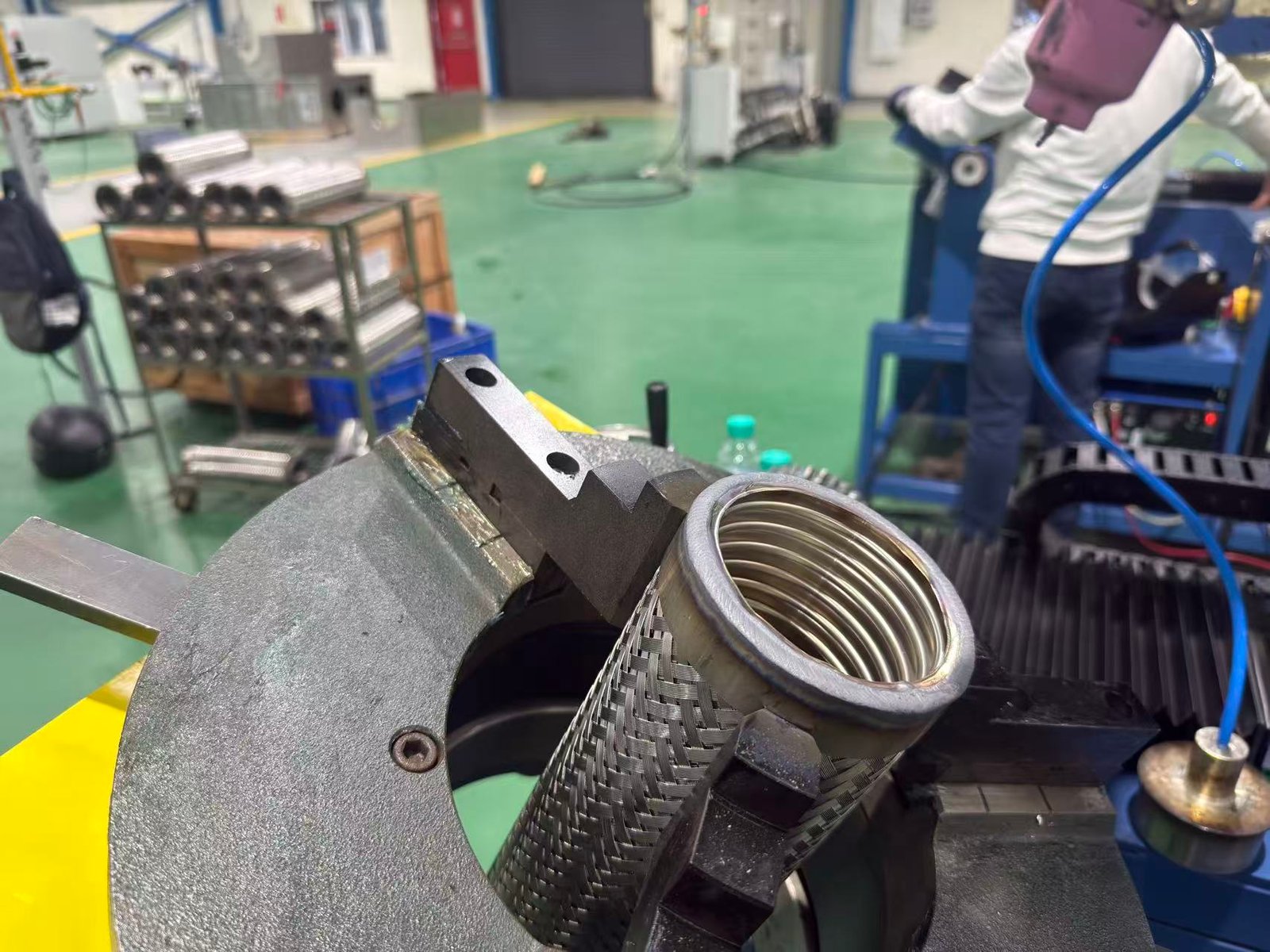
A second welding operation is then performed to complete the final hose assembly.
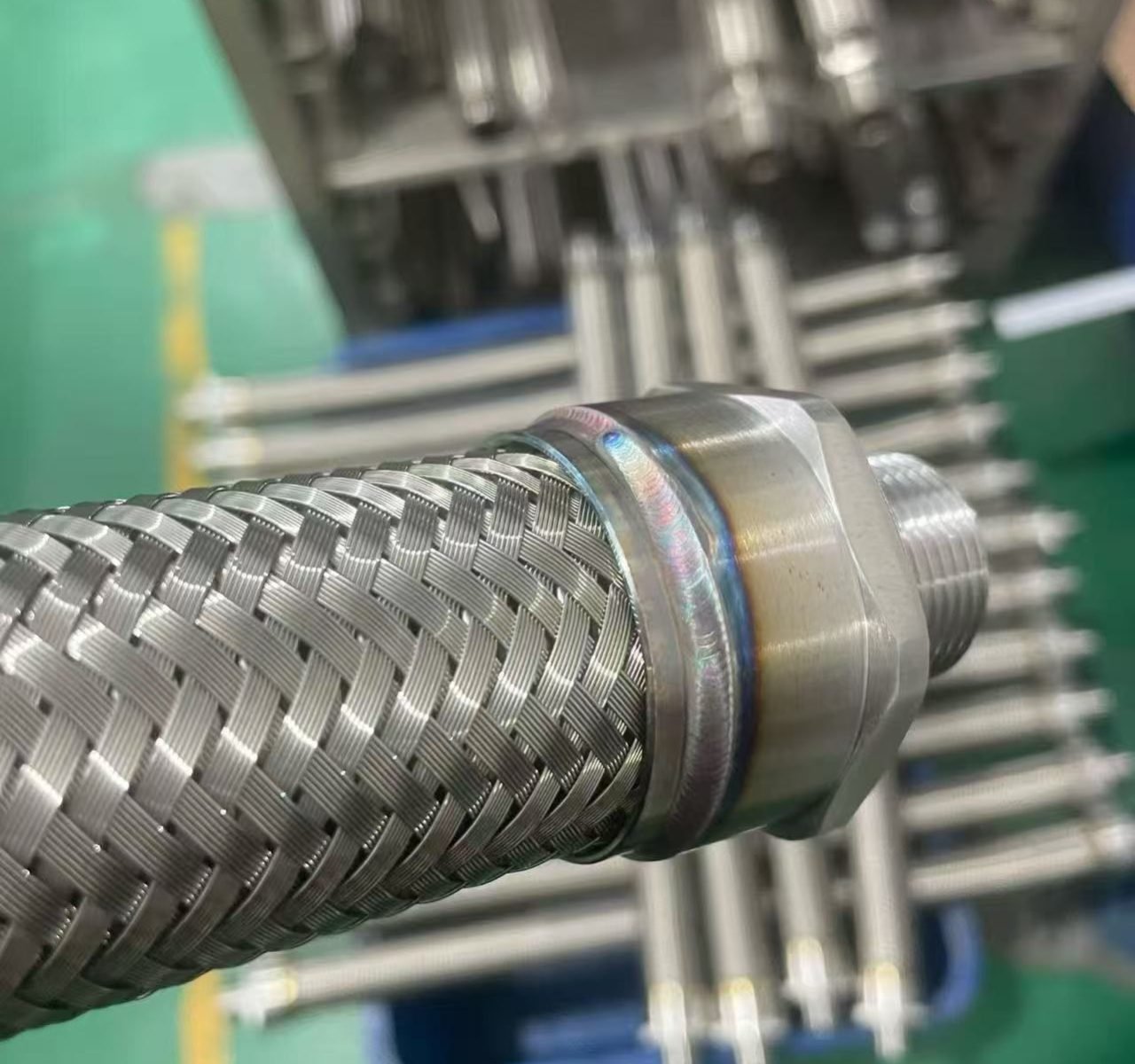
Automatic Welding Helps Reduce Leakage Risks in AI Liquid Cooling Systems
Compared with manual welding, automated welding provides greater process consistency and more stable finished-product quality, helping reduce coolant leakage risks at the source.
For AI liquid cooling systems, the precision and reliability of each corrugated hose weld directly affect the long-term safety and stability of the cooling circuit.
MecaNext provides specialized automatic welding equipment, customized welding processes, and standardized production solutions for corrugated stainless steel hoses, corrugated copper hoses, and other liquid cooling components.
By improving welding consistency, production efficiency, and joint reliability, automated welding technology helps manufacturers produce more reliable liquid cooling components for the continuous operation of AI servers and data center cooling systems.