
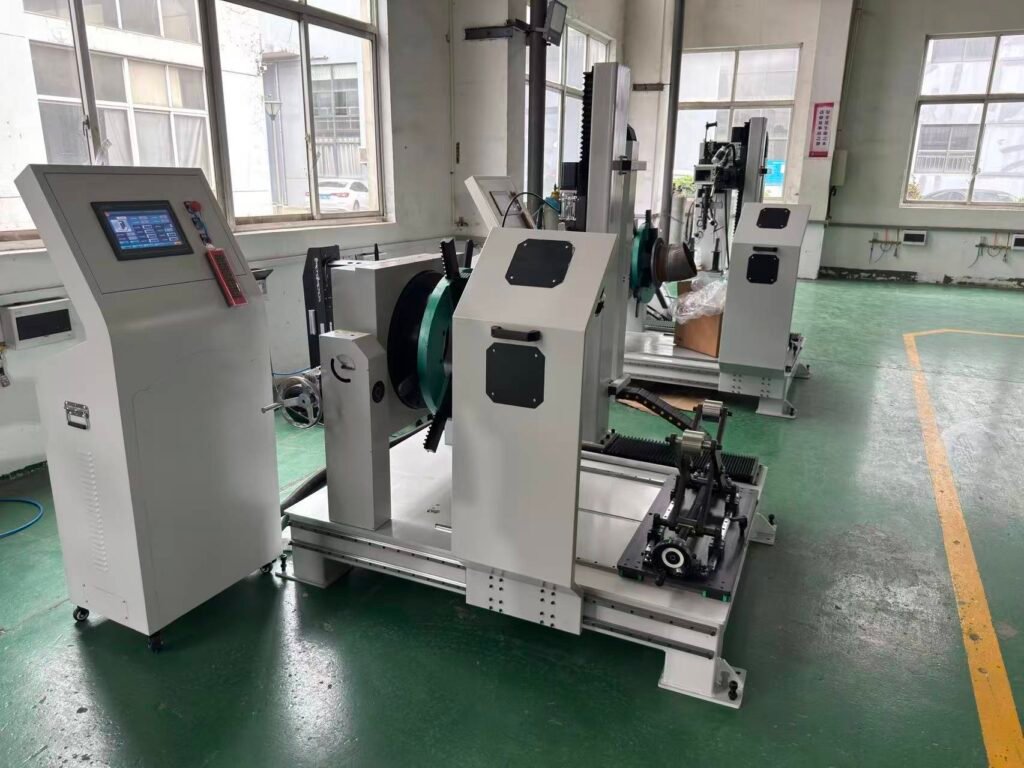
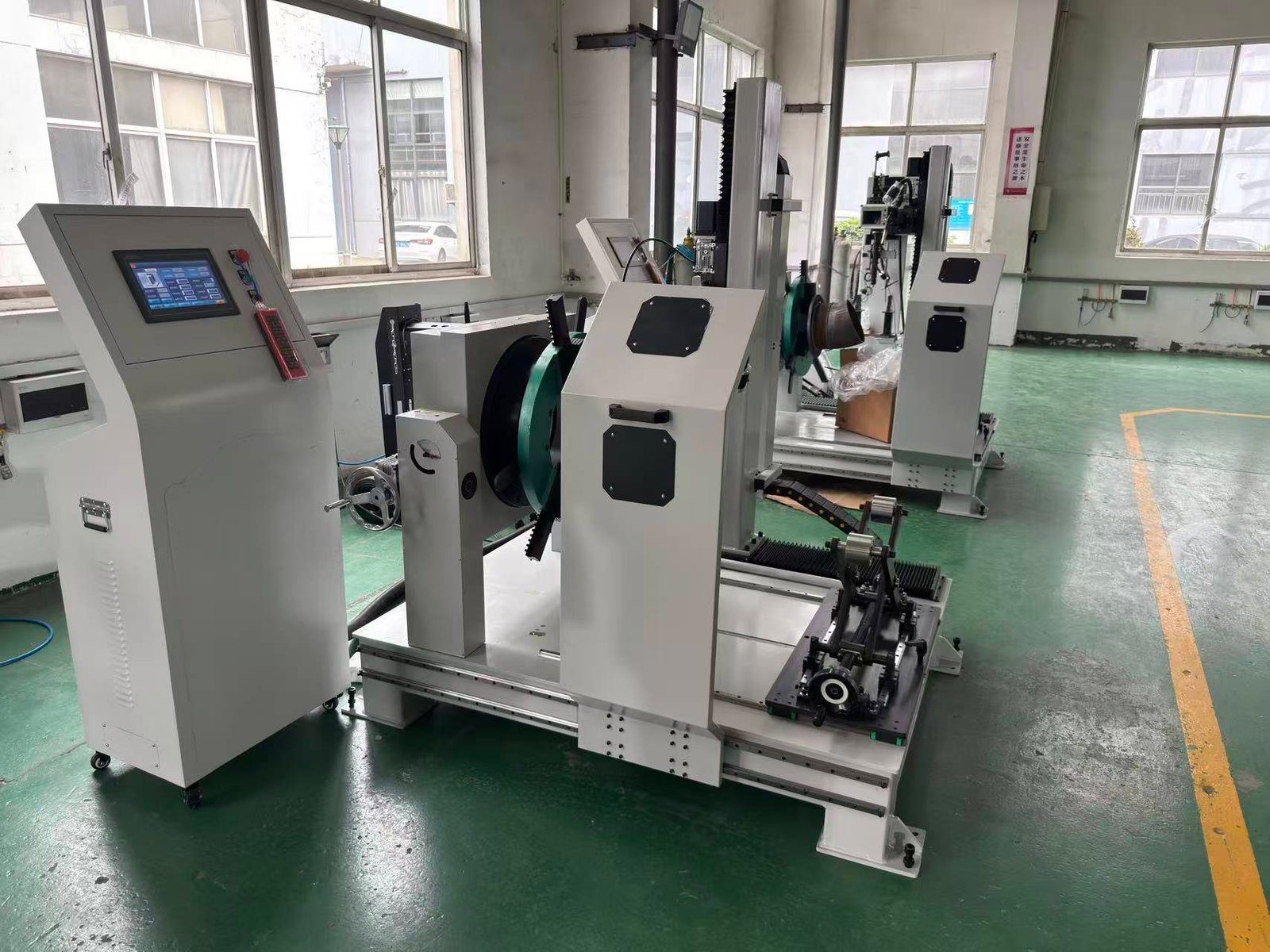
With the growth of welding automation, Automatic Welding Machines are becoming a key solution for improving productivity and weld quality.
However, not all automatic welding systems offer the same level of automation. For companies that are new to welding automation, evaluating the true automation capability of a machine can be challenging.
Below are five key factors that can help assess the automation level of a welding system before making an investment.
1. Axis Automation in an Automatic Welding Machine
One of the most important indicators is the degree of freedom of the machine.
Questions to consider:
- Which axes can move automatically?
- Are the movements manual, motorized, or servo-controlled?
- Can multiple axes move simultaneously?
- Does the system support coordinated multi-axis motion?
A highly automated welding machine should provide motorized movement on critical axes and allow synchronized multi-axis operation when required.
For example, in orbital TIG welding or pipe welding applications, coordinated control of torch travel, oscillation, height adjustment, and wire feeding can significantly improve welding consistency and reduce operator intervention.
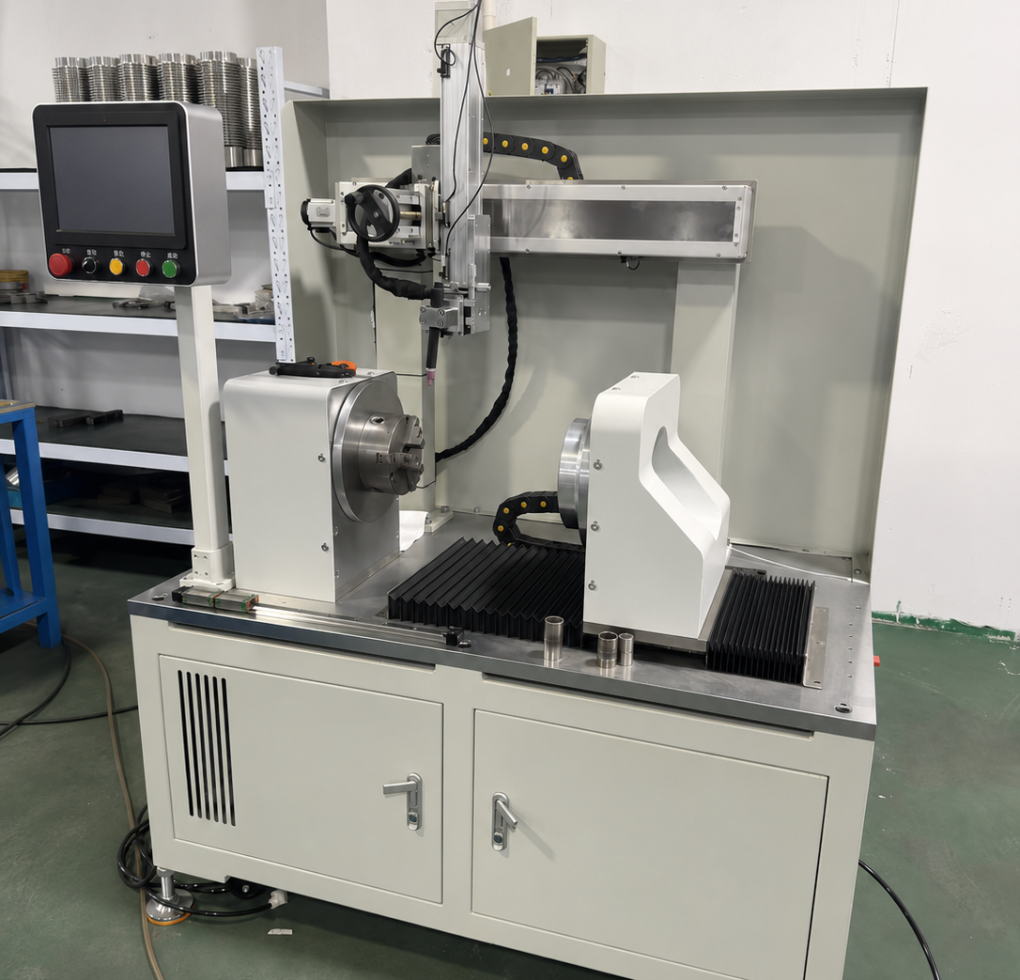
2. Motion Control System
The drive system directly affects positioning accuracy, repeatability, and overall machine performance.
Common configurations include:
- Conventional motors
- Stepper motors
- Servo motors
Key questions include:
- Can positions be stored and recalled automatically?
- Does the system support automatic positioning?
- What is the repeatability accuracy?
- Can welding programs be reused without manual adjustment?
Servo-driven systems generally provide superior positioning accuracy, dynamic response, and repeatability, especially in applications involving complex weld paths or multiple welding stations.
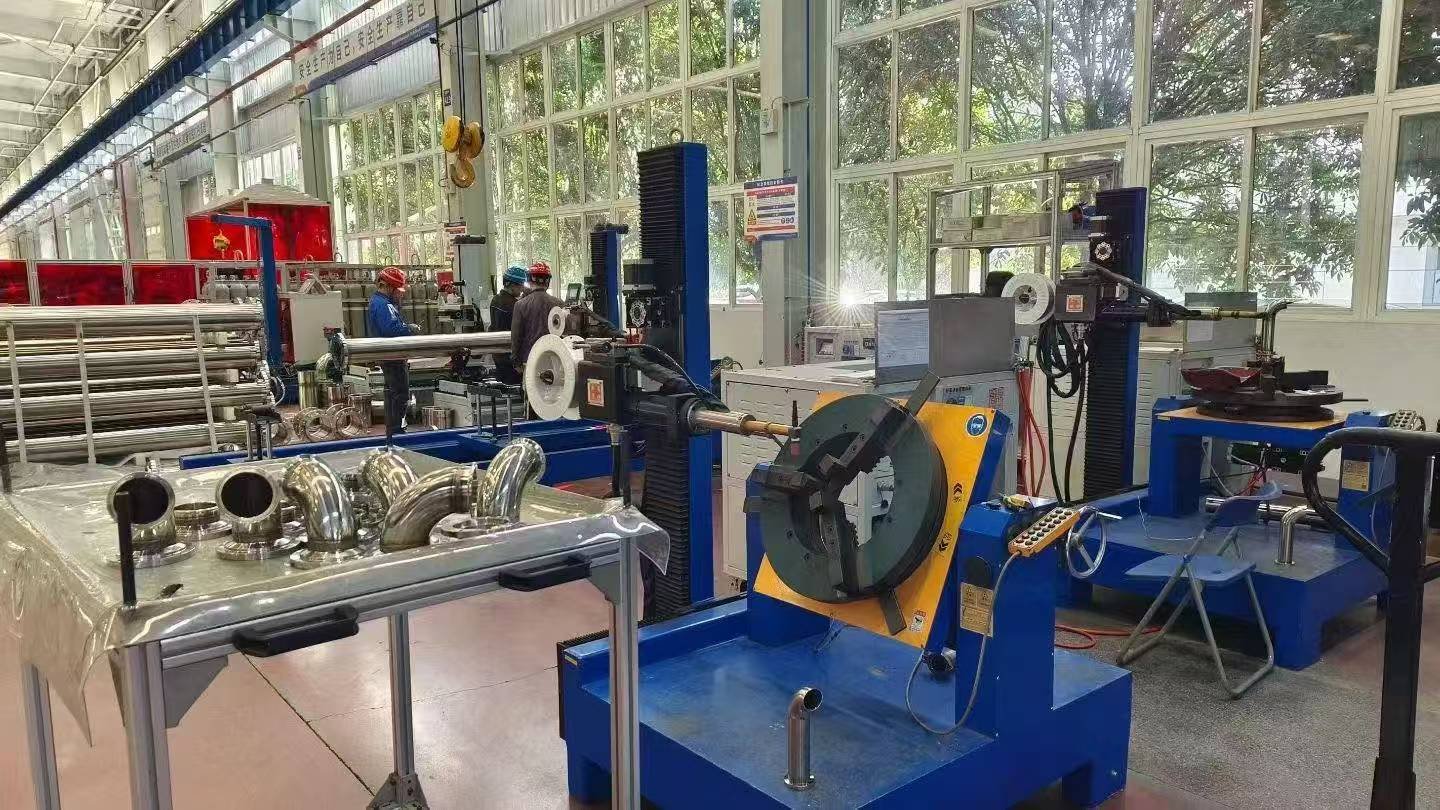
3. Parameter Management and Communication Integration
Many welding operations require frequent adjustment of welding parameters.
An advanced welding automation system should allow users to save and recall complete welding recipes, including:
- Welding current
- Pulse frequency
- Travel speed
- Wire feed speed
- Oscillation parameters
- Arc voltage control settings
- Shielding gas parameters
The ability to store and recall welding programs with a single click dramatically reduces setup time and minimizes human error.
Without centralized parameter management, operators may spend significant time manually entering settings for every production batch.
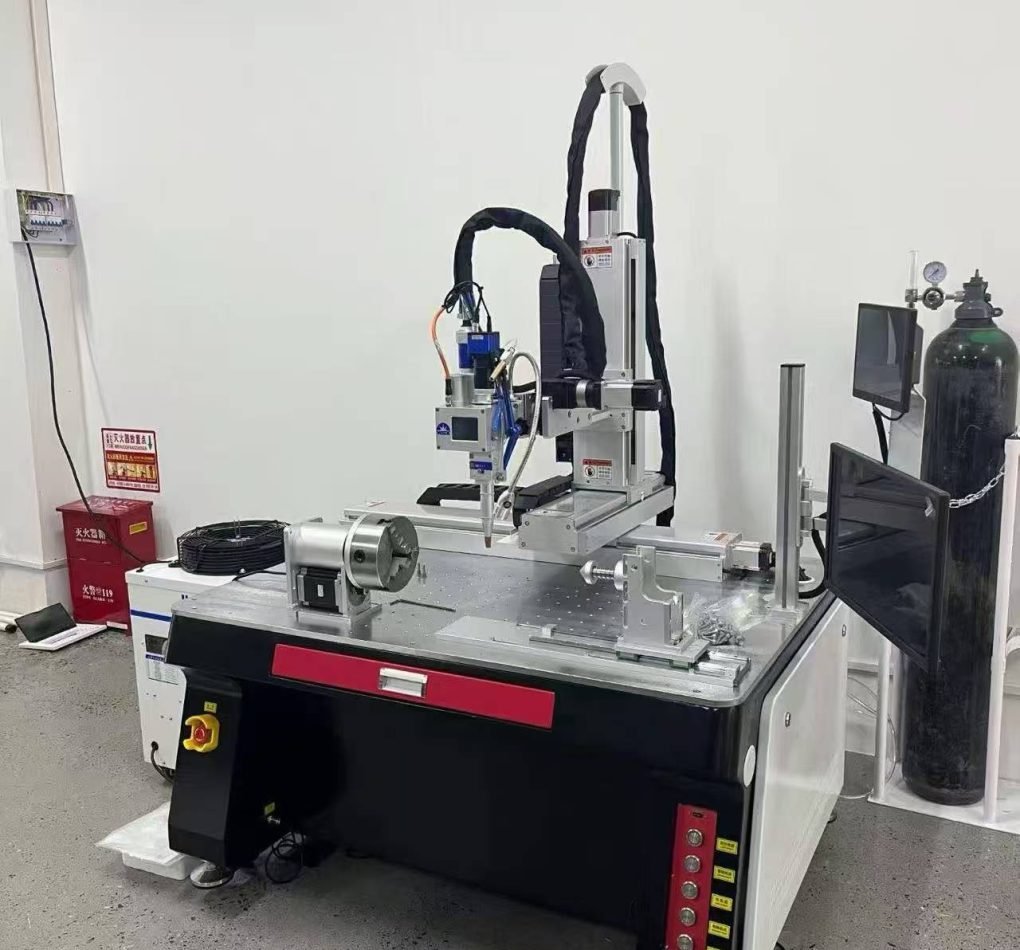
4. Software Upgradeability and Remote Support Capability
Many automatic welding systems are customized for specific products and manufacturing processes.
As production requirements evolve, software modifications and process optimization often become necessary.
Therefore, a modern welding automation platform should support:
- Remote diagnostics
- Remote software updates
- Online troubleshooting
- Process optimization support
- Data backup and recovery
The long-term reliability of an automatic welding machine depends not only on hardware quality but also on continuous software improvement and technical support.
Remote service capabilities can significantly reduce downtime and service costs, especially for international customers.
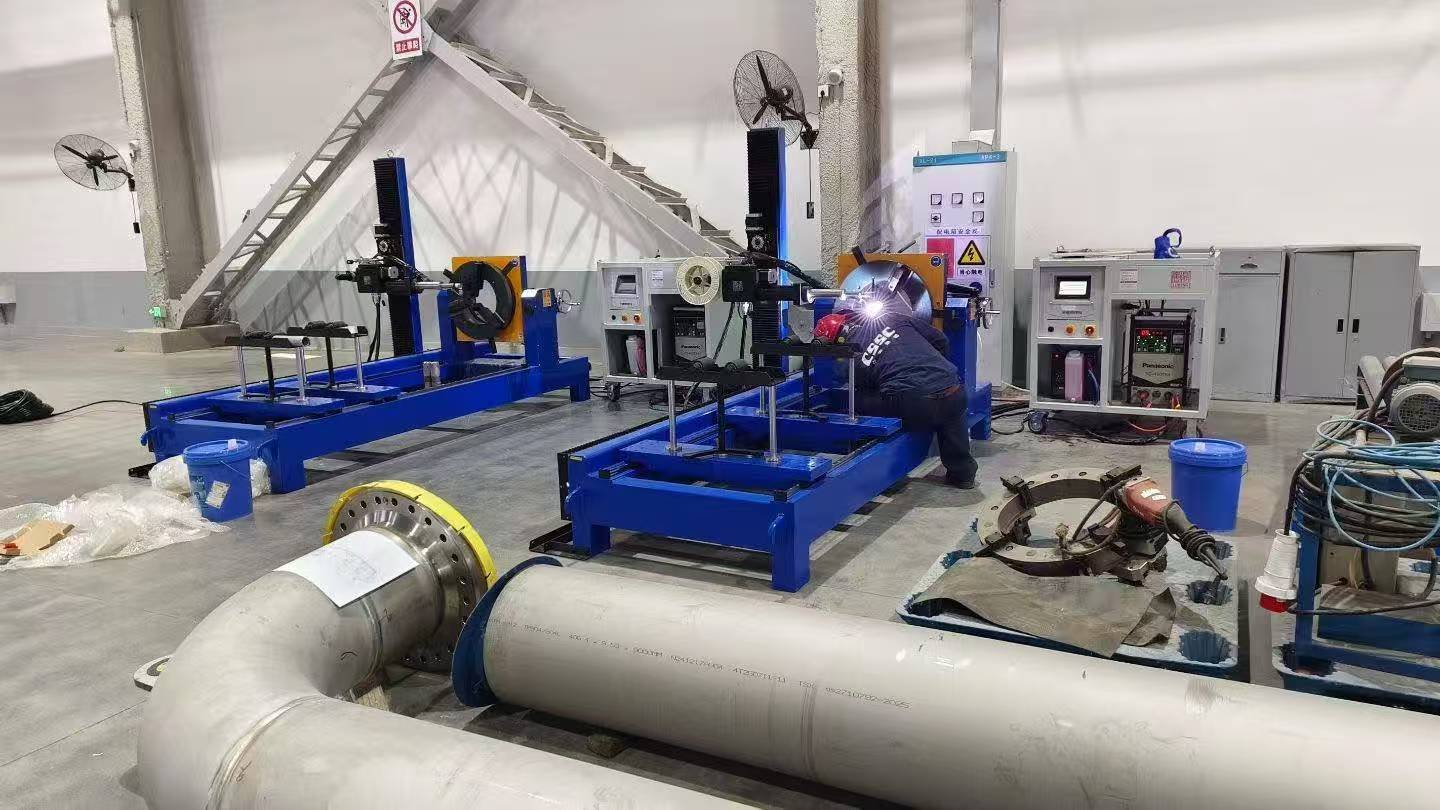
5. Training and Support for an Automatic Welding Machine
For many manufacturers, especially those purchasing equipment from overseas suppliers, after-sales support is a critical consideration.
A complete support system should include:
- Detailed operation manuals
- Welding process documentation
- Maintenance instructions
- Remote technical assistance
- Fast response to troubleshooting requests
- Operator and maintenance training
The goal is not only to deliver equipment but also to ensure that customers can operate and maintain the system independently.
Comprehensive training and responsive technical support are essential for stable long-term production.
Why Automation Level Matters
The automation level of an automatic welding machine directly affects production efficiency, weld quality, operating costs, and long-term competitiveness. A highly automated system can reduce manual intervention, improve process consistency, and support future production expansion. Therefore, evaluating automation capability before purchase is essential for achieving maximum return on investment.
Conclusion
When evaluating an automatic welding machine, the purchase decision should not be based solely on price or welding capability.
A truly advanced welding automation system should be evaluated from multiple dimensions, including:
- Degree of freedom and axis automation
- Motion control technology
- Parameter management capability
- Remote service and software upgradeability
- Training and after-sales support
By considering these factors, manufacturers can make more informed decisions and maximize the return on investment in welding automation.