
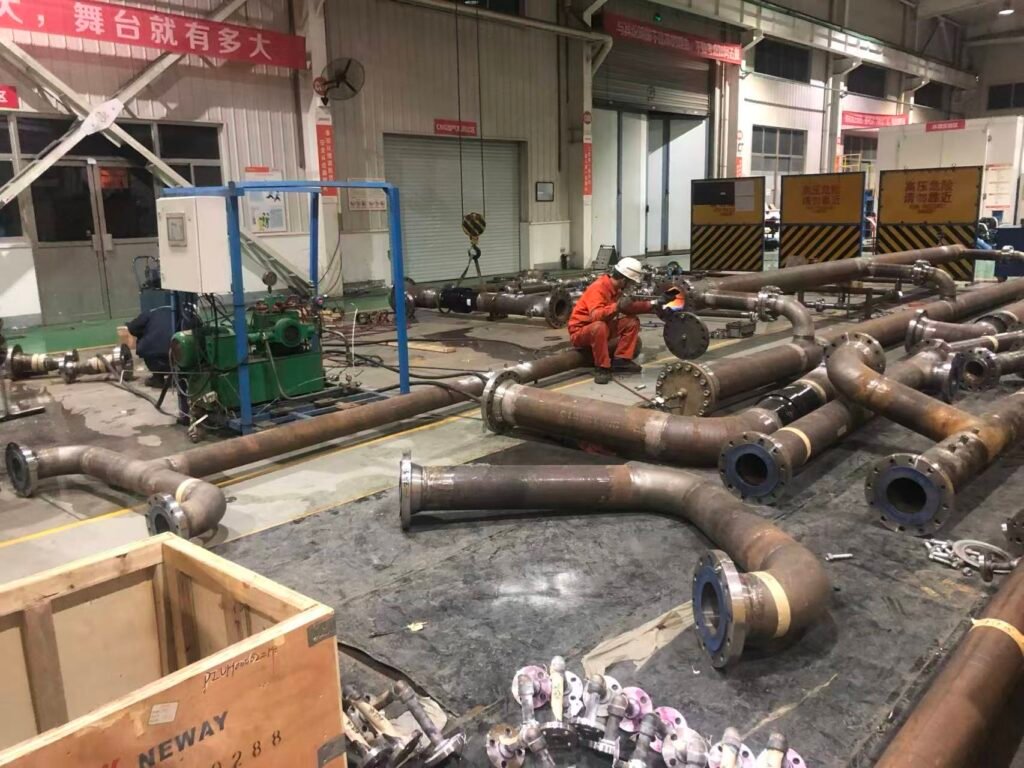
Automated welding solutions are becoming an important technology for skid package manufacturers to improve production efficiency, stabilize welding quality, and optimize manufacturing management.
With the rapid growth of industries such as energy, natural gas, LNG, AI power generation, and industrial infrastructure, the demand for skid-mounted equipment and process modules continues to increase.
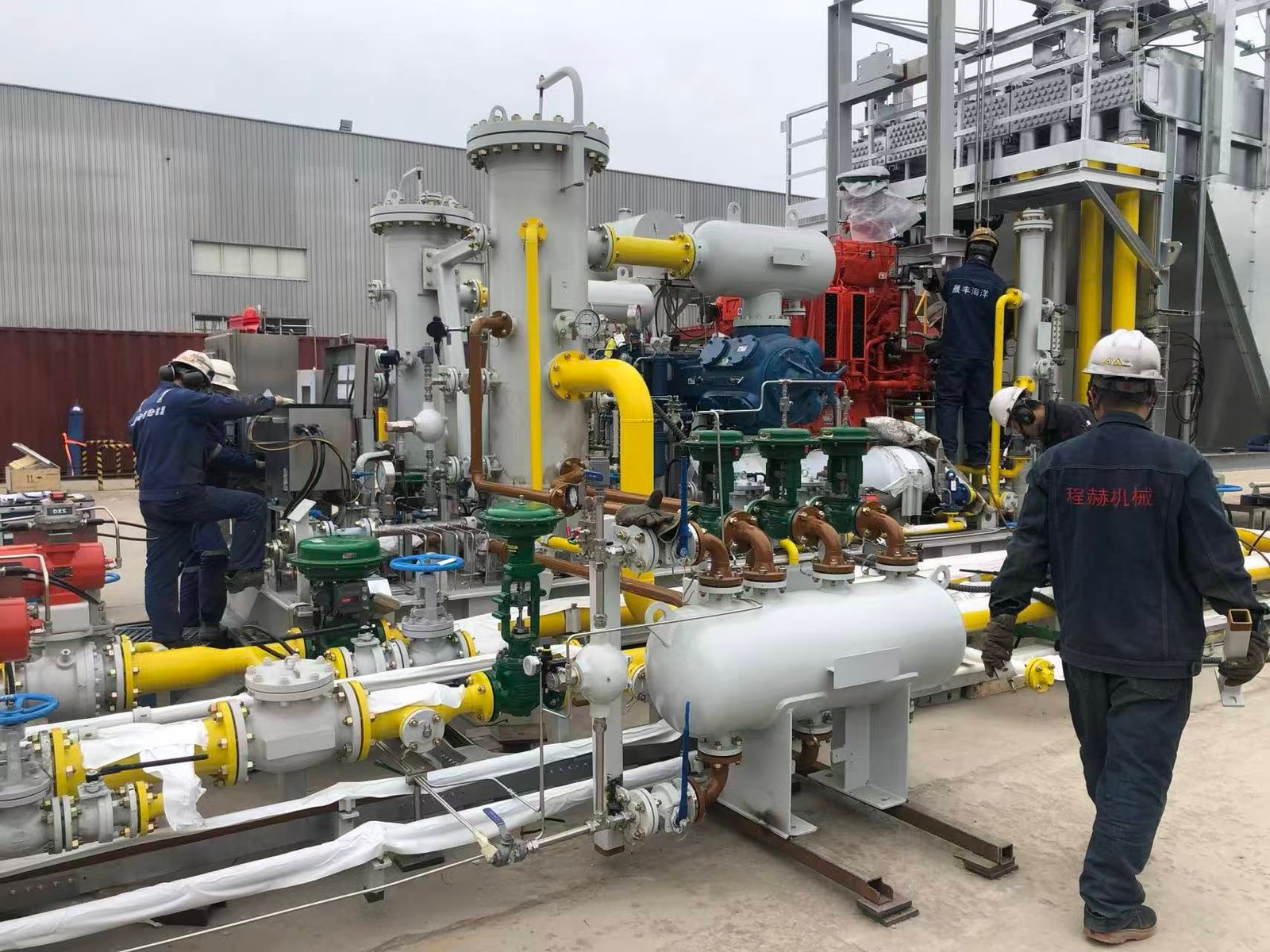
Skid packages, including gas compressor skids, lubrication system skids, fuel gas systems, process skids, generator packages, and offshore modules, are widely adopted due to their modular design, fast installation, and flexible deployment.
However, as skid manufacturers face increasing project demands, production capacity and welding efficiency have become critical challenges.
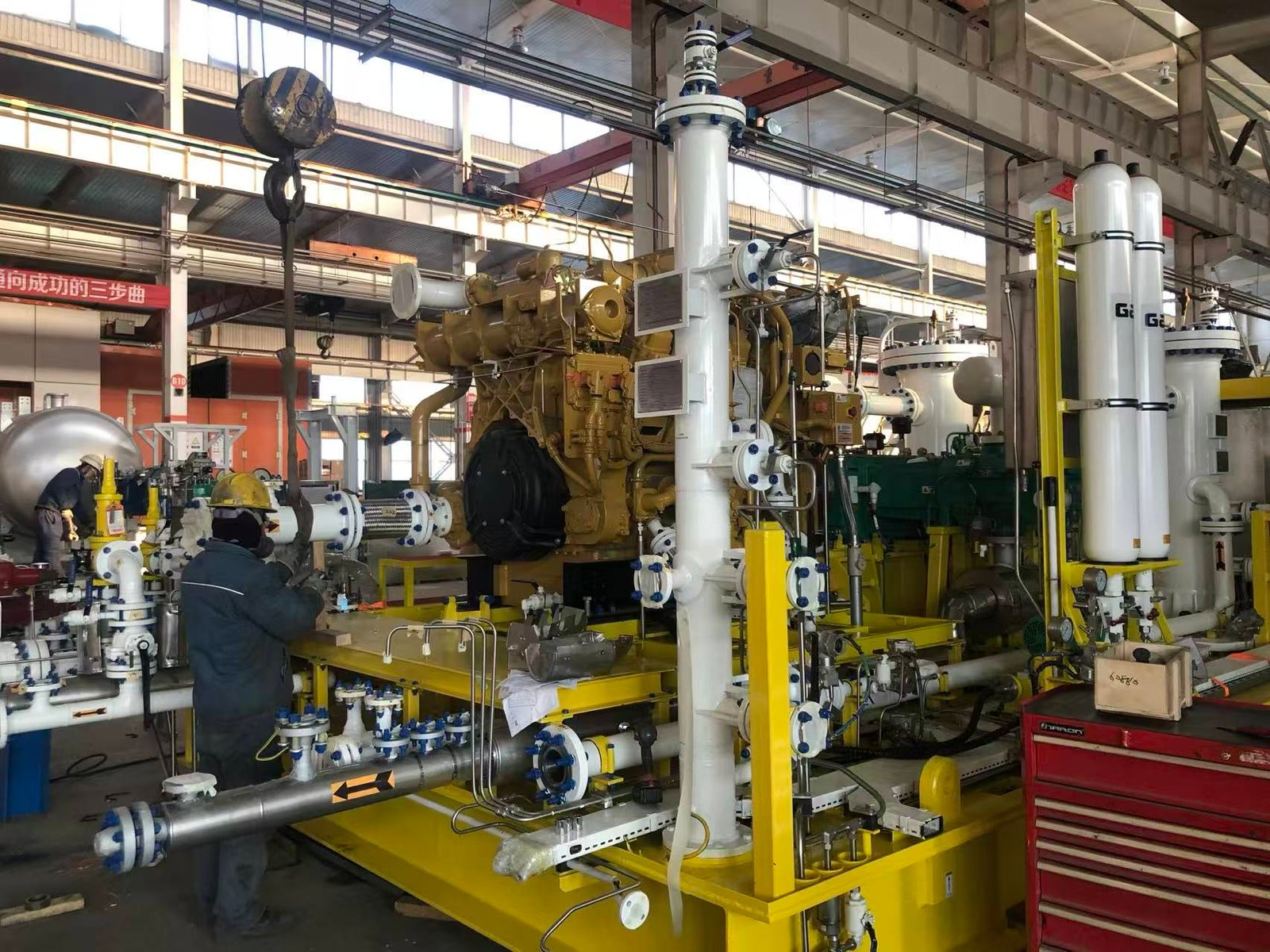
Challenges Faced by Skid Package Manufacturers
The fabrication of skid packages is highly dependent on welding operations, especially pressure piping fabrication and structural assembly.
A major challenge for many skid manufacturers is unstable production capacity caused by project-based demand fluctuations.
During peak production periods, manufacturers often face:
- Shortage of skilled welders
- Increased labor costs
- Dependence on temporary workers or subcontractors
- Additional training requirements
- Higher risks in welding quality and production management
During low-demand periods, companies may face:
- Excess labor capacity
- Increased fixed costs
- Pressure for cost optimization
With increasing welding labor costs and stricter quality management requirements, more skid manufacturers are adopting automated welding solutions to improve production flexibility and manufacturing consistency.
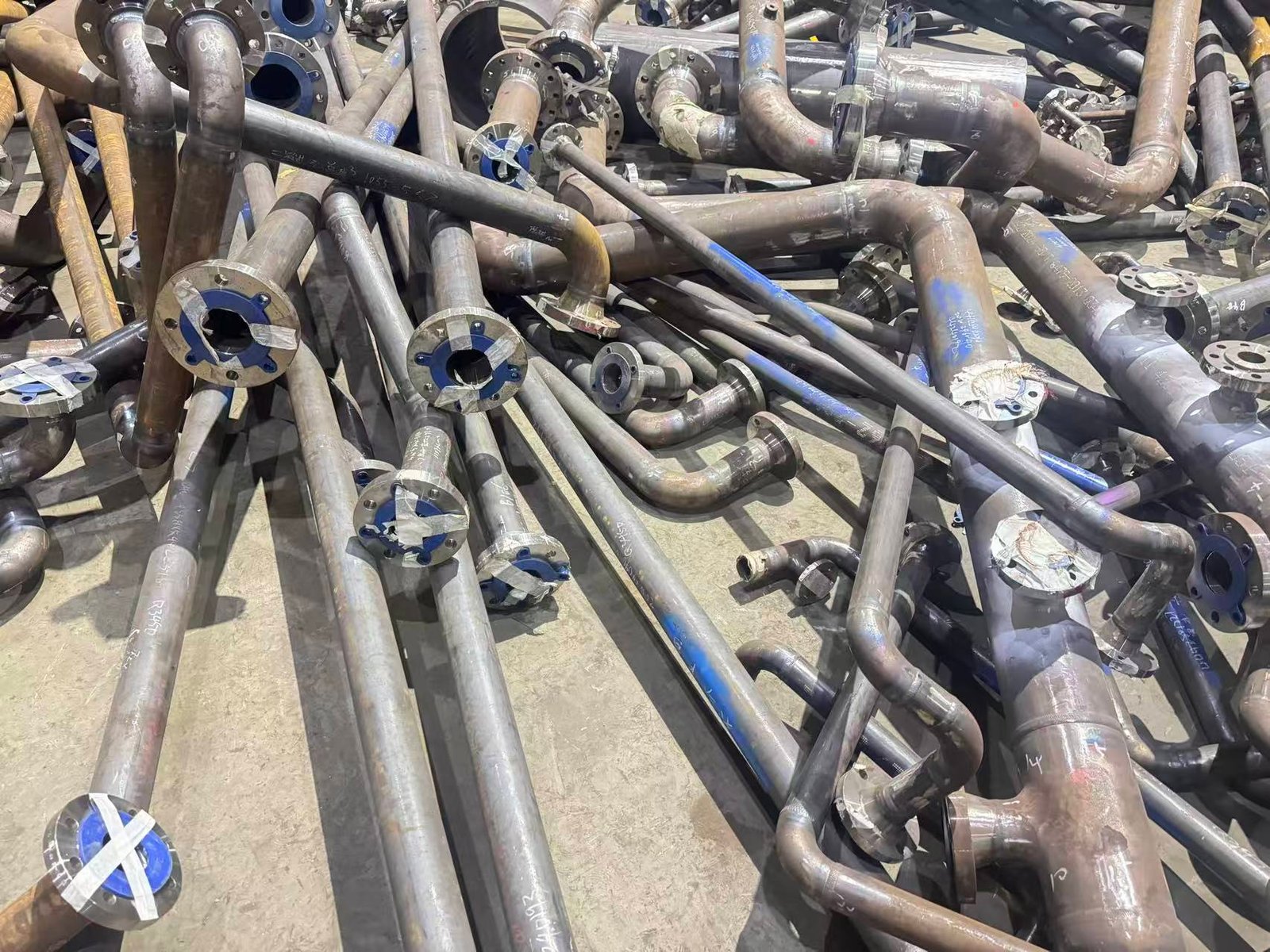
Automated Welding Solutions Applications in Skid Package Fabrication
The piping fabrication process in skid manufacturing can generally be divided into two stages:
1. Pipe Spool Fabrication (Workshop Welding)
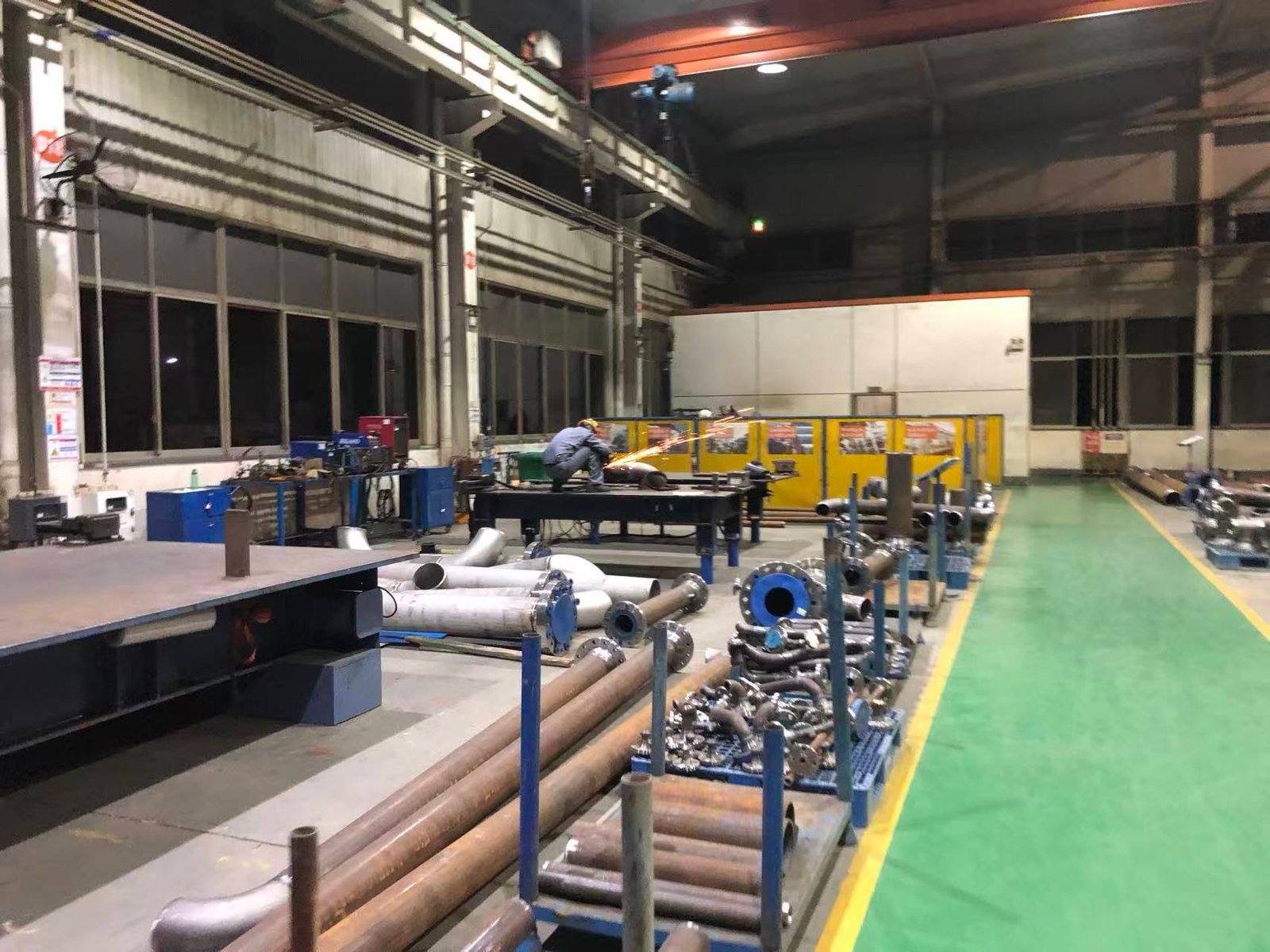
Pipe spool fabrication is one of the most welding-intensive processes in skid manufacturing.
Manufacturers typically need to handle:
- Large quantities of pipe weld joints
- Various pipe diameters and fittings
- Different welding positions
- Strict inspection requirements such as RT (Radiographic Testing)
Traditional manual TIG welding creates challenges:
- Welding efficiency is difficult to measure
- Production output depends heavily on individual welders
- Quality consistency varies between operators
- Skilled welder availability limits production capacity
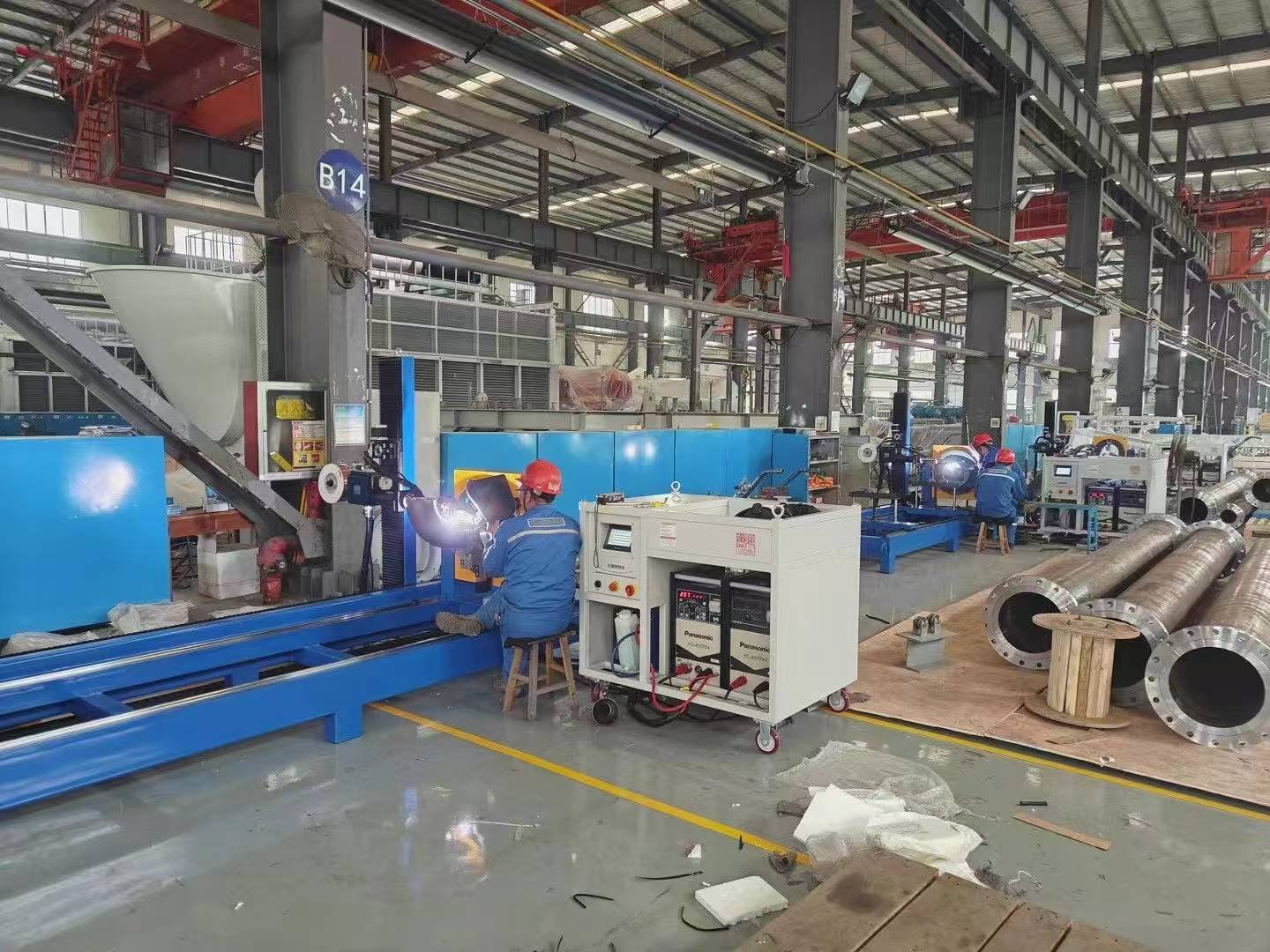
By implementing automated welding solutions, manufacturers can achieve:
- Higher welding productivity
- Stable welding quality
- Quantifiable production output
- Reduced dependence on skilled welders
- One operator managing multiple welding stations
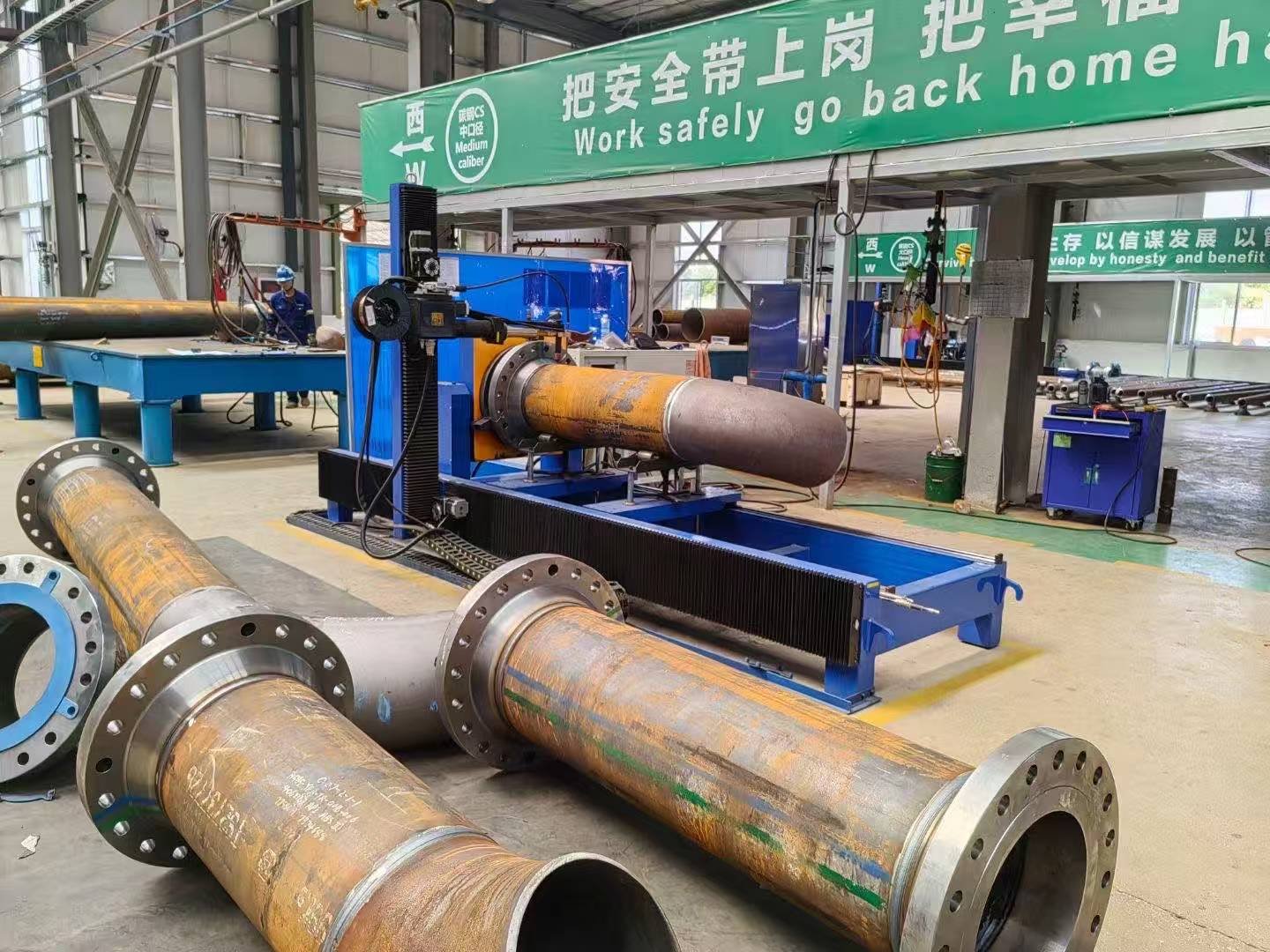
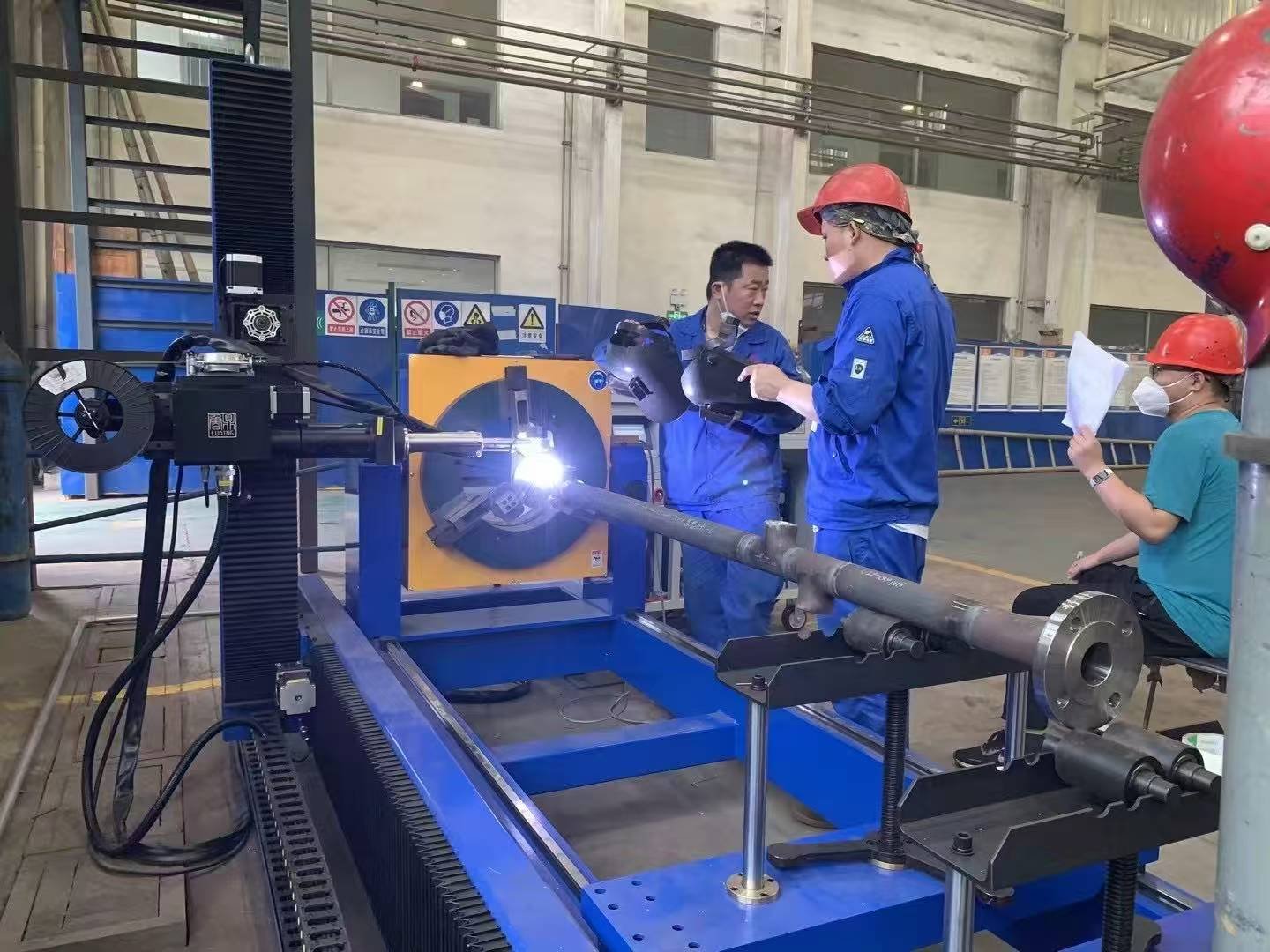
MECANEXT automatic pipe welding systems are designed for pressure piping fabrication and can achieve welding quality suitable for radiographic inspection requirements.
2. On-Skid Pipe Welding (Field Assembly & Final Fabrication)
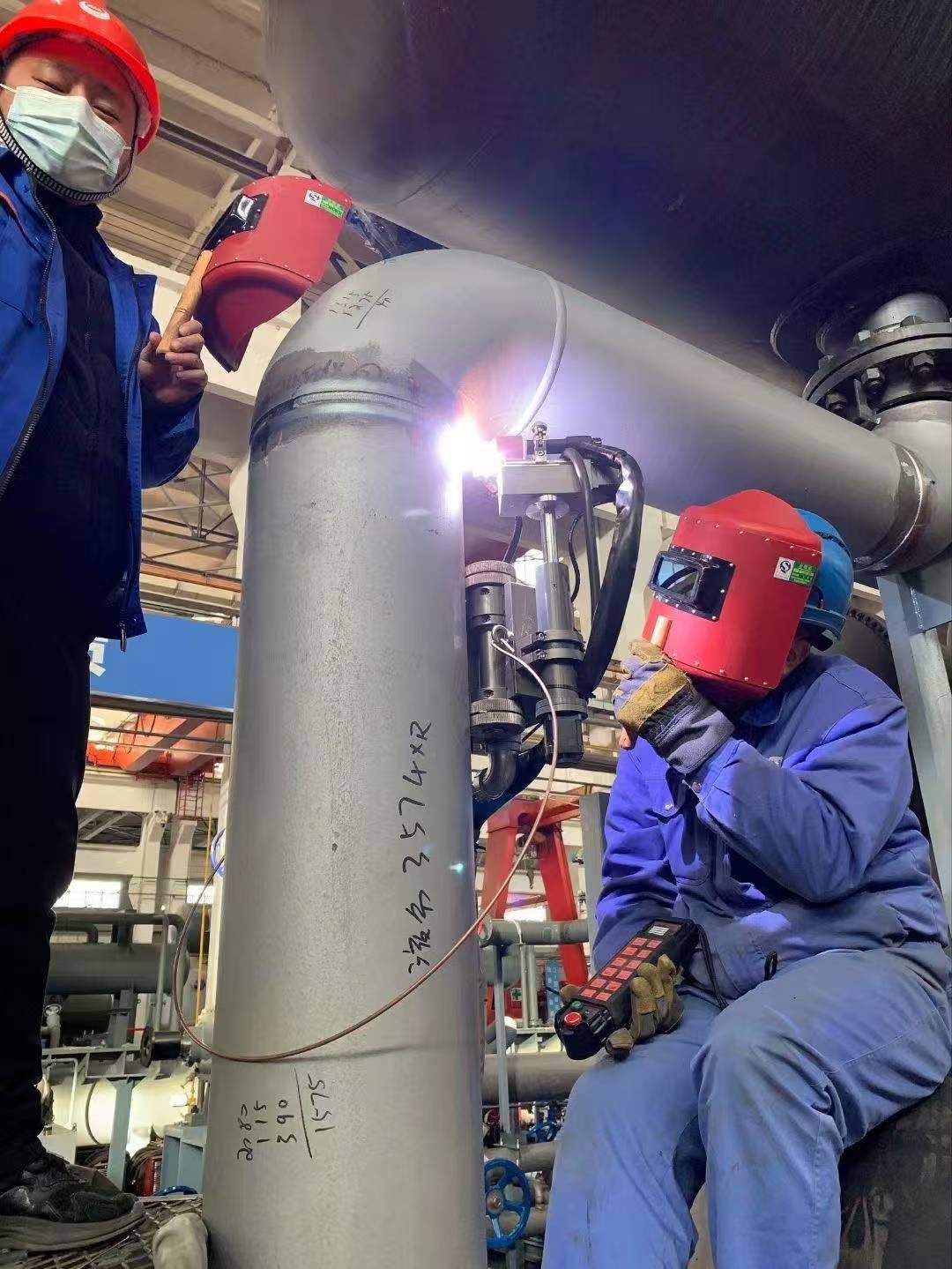
Compared with workshop prefabrication, on-skid welding presents additional challenges:
- Limited welding space
- Difficult torch positioning
- Restricted operator access
- Complex pipe arrangements
- Difficult welding positions such as 2G, 5G, and 6G
Traditional manual welding often requires:
- Additional pipe disassembly
- Complex positioning
- Highly experienced welders
MECANEXT orbital TIG welding solutions with rotating torch structures help solve these challenges by enabling automated welding on fixed pipelines.
Applications include:
- 2G pipe welding
- 5G fixed pipe welding
- 6G pipe welding
- Pressure piping joints
- Stainless steel process piping
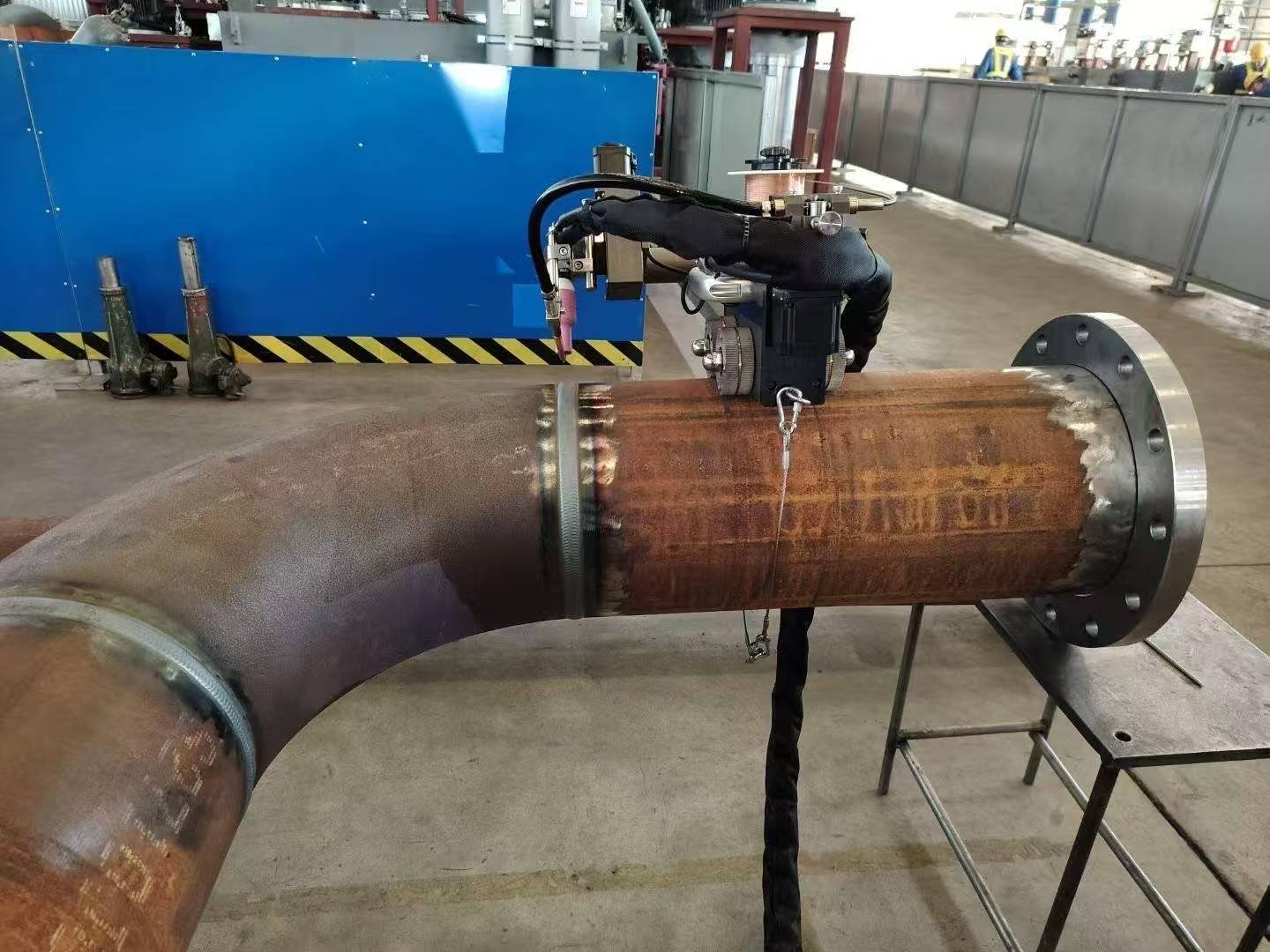
MECANEXT Automated TIG Welding Solutions for Skid Manufacturers
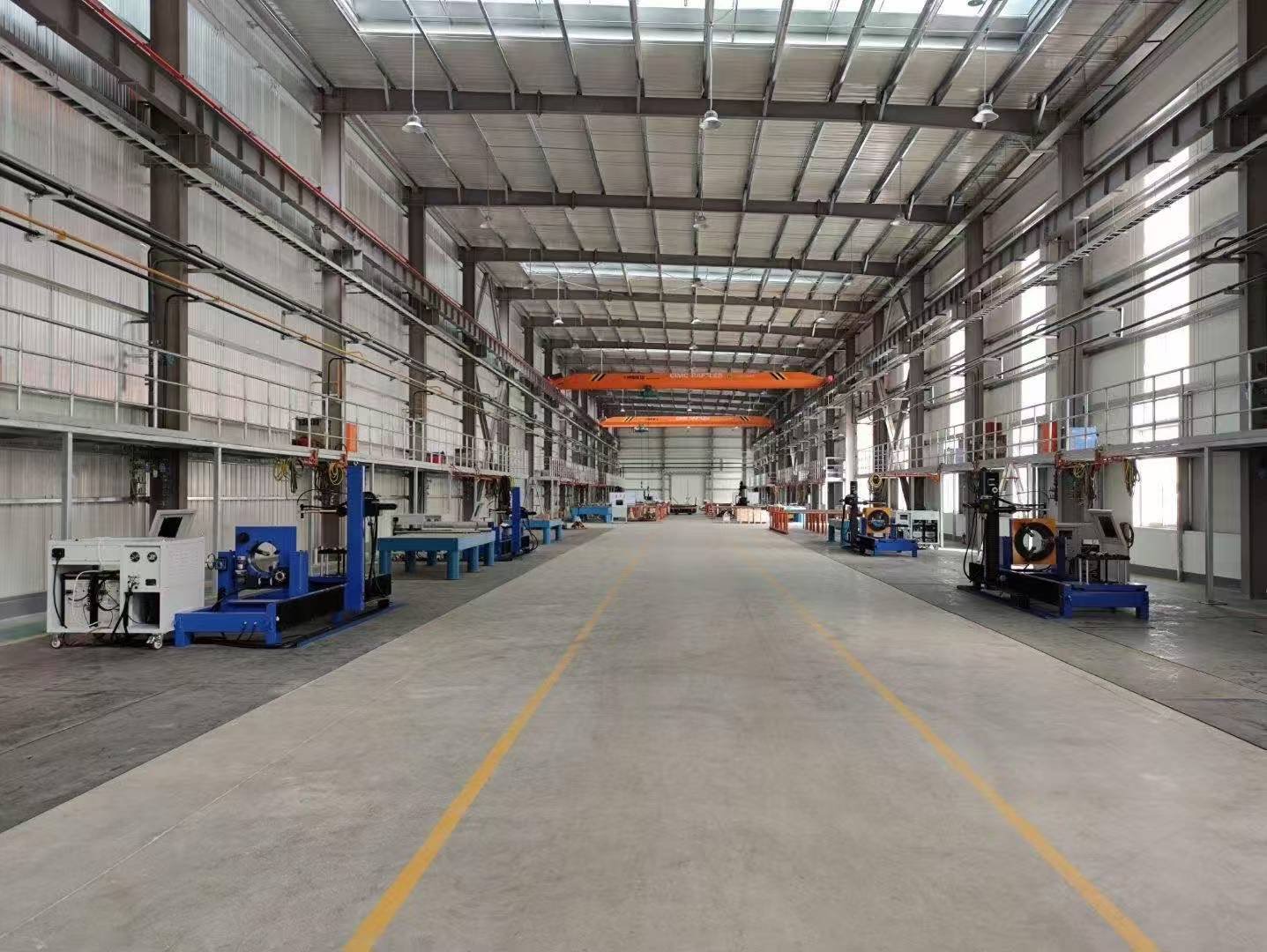
MECANEXT provides integrated TIG welding automation solutions for skid package manufacturers, including pipe spool fabrication and on-skid welding applications.
Key Features:
1. Automatic Multi-Pass Welding
- Up to 8 programmable welding sections
- Automatic root pass, filling pass, and cap pass
- No manual parameter switching required
Suitable for multi-layer pressure piping welding
2. Stable Welding Quality for Inspection Requirements
- Automatic welding parameters control
- Consistent penetration and bead appearance
- Designed for applications requiring RT inspection
3. Advanced AVC Arc Voltage Control
MECANEXT self-developed AVC system continuously maintains the correct distance between tungsten electrode and weld pool.
Advantages:
- Compensates for pipe ovality
- Handles assembly tolerance variation
- Maintains stable arc length
- Improves welding consistency
4. Automatic Torch Oscillation System
The oscillation function allows:
- Wider weld beads
- Better sidewall fusion
- Improved appearance
- Adaptation to different joint designs
5. CNC Wire Feeding System
Supports:
- Push wire feeding
- Pulse wire feeding
- Automatic wire retract function
Providing precise filler metal control for high-quality TIG welding.
6. Integrated Digital Welding Management
The system integrates:
- Welding power source
- AVC control
- Oscillation
- Wire feeding
- Welding parameters storage
All welding procedures can be saved and recalled through PLC control, allowing fast setup and repeatable production.
Conclusion
For skid package manufacturers, welding automation is not only a way to improve welding speed, but also an effective solution to:
- Reduce dependence on skilled welders
- Improve production flexibility
- Stabilize welding quality
- Optimize manufacturing management
- Increase competitiveness in global energy markets
With automated welding solutions, manufacturers can achieve more efficient and reliable fabrication of process skids, pressure piping systems, and industrial modular equipment.
Frequently Asked Questions (FAQ)
1. What welding processes are commonly used in skid package fabrication?
Skid package fabrication commonly involves TIG welding, orbital welding, and automated pipe welding processes for pressure piping and critical joints. These processes help achieve stable weld quality and meet strict industrial standards.
2. How do automated welding solutions improve skid package production efficiency?
Automated welding solutions improve efficiency by reducing manual welding time, maintaining consistent welding parameters, and minimizing quality variations between different operators.
3. Why is TIG welding preferred for pressure piping applications?
TIG welding provides precise heat control, excellent weld appearance, and reliable joint quality, making it suitable for stainless steel, alloy piping, and high-quality pressure systems.
4. Can automated welding be applied to fixed pipe welding during skid assembly?
Yes. Automated welding solutions can be used for fixed pipe welding applications, including 5G and 6G pipe positions, helping manufacturers improve welding consistency in complex assembly conditions.
5. What factors should manufacturers consider before automating their welding process?
Manufacturers should evaluate pipe diameter, material, welding position, production volume, quality requirements, and current fabrication workflow before selecting an automation solution.